 Albania
 Bosnia and Herzegovina
 Bulgaria
 Croatia
 Cyprus
 Montenegro
 Czech Republic
 Denmark
 Estonia
 Spain
 Kosovo
 Lithuania
 Latvia
 Luxembourg
 Macedonia
 Germany
 Poland
 Portugal
 Romania
 Serbia
 Slovakia
 Slovenia
 Switzerland
 Sweden
 Turkey
 Hungary
 United Kingdom
 Italy
 UAE
 Hong Kong
 Kuwait
 Lebanon
 South Africa


Pregnant women's
zone
The beginning of pregnancy is very exciting for parents-to-be. They want to know as much as possible about how the child is developing. Also important are the challenges that come with pregnancy – especially when it’s their first offspring. The 9-month wait is a time when intense changes are taking place. That’s why Parents follow them week after week.
How is the pregnancy developing at 1 week?
In fact, 1 week of pregnancy is the moment when the baby is not yet developing in the uterus. How is this possible? This has to do with Naegele’s rule, which applies to gynecology and obstetrics. According to it, the beginning of pregnancy is considered the first day of the last menstrual period. Fertilization, on the other hand, usually takes place about 2 weeks later.Therefore, it can be said that at this time you are not yet actually pregnant. However, significant changes are already taking place in the body to prepare it for the implantation of a fertilized egg. Therefore, this 1 week of pregnancy is of great importance for the course of pregnancy. During menstruation, there is an exfoliation of the mucous membrane, which has expanded over the past 2 weeks. This will allow new epithelium to emerge in the following days – ready to receive the fertilized egg. This is important because its thickness determines the nesting of the embryo, as well as the conditions for its development. In the 1st week of pregnancy, the follicle is also maturing, from which the egg will be released on the day of ovulation.
Pregnancy symptoms at 1 week
Symptoms at 1 week of pregnancy are not typical. Actually, you are not yet experiencing any pregnancy discomforts. They appear only after fertilization, when the level of hormones (especially chorionic gonadotropin) increases significantly. At 1 week of pregnancy, menstrual bleeding is present. It lasts for 3-5 days. It is usually no different from other menstrual periods. It is accompanied by lower abdominal pain, irritability and breast tenderness.
The first week of pregnancy – how to take care of yourself?
The 1st week of pregnancy is the time when you should take special care of yourself. If you plan to become a mom, give up stimulants. Also take a look at your daily habits. It is necessary to follow a healthy and properly
balanced diet
. The dishes should be varied, and each is accompanied by a serving of fresh vegetables. This way you provide your body with all the necessary vitamins and minerals. Don’t forget about physical activity, too. Moderate exercise is recommended, adapted to the body’s capabilities. If there are no contraindications, you can continue throughout your pregnancy. This will certainly keep you feeling good and prepare you for childbirth.
Tests that are worth doing at 1 week of pregnancy
1 week of pregnancy is not yet the time when you can take a pregnancy test. However, you should consider other laboratory tests. They will allow you to know the state of your health and start treating any abnormalities before conception occurs. Ask your GP for a referral for a blood count, fasting glucose levels, liver tests, and thyroid hormone tests. Also go to the dentist to evaluate the condition of your mouth.
Folic acid supplementation
If you are planning to become a mom, start folic acid supplementation. It is a vitamin that plays a significant role in the prevention of neural tube defects, that is, various abnormalities related to the development of the nervous system in the child.
Pregnancy week by week

Week 1 of pregnancy – what can the expectant mother expect?
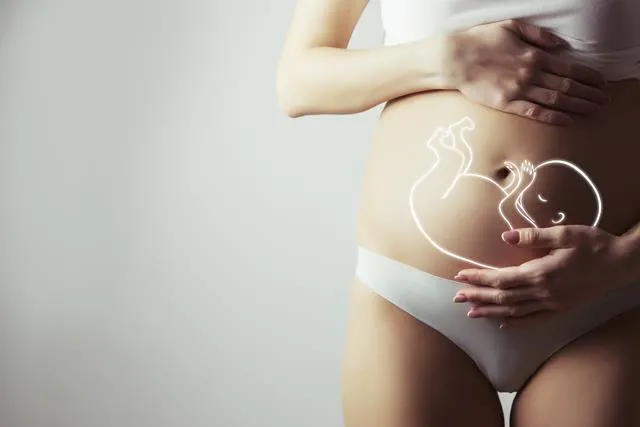
The first week of pregnancy is a time of intense preparation of the body to receive the embryo. Although you don't feel any changes yet, there is certainly excitement at the thought that you may soon become a mom. Remember to take care of yourself - both physically and mentally. See how the 1st week of pregnancy goes.
Week 2 of pregnancy – what is happening in the body of the future mother?
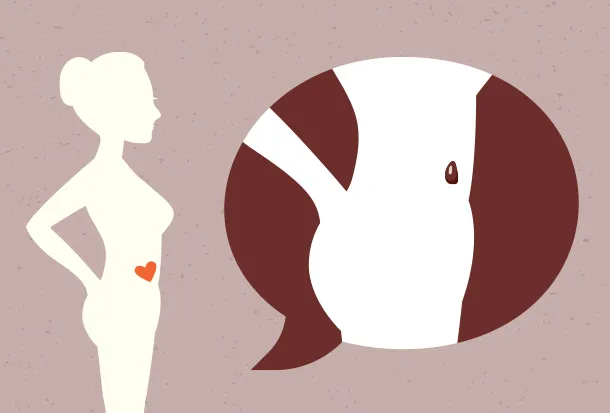
The second week of pregnancy is one of its most crucial moments. It is now that ovulation takes place - the egg cell is ready to fuse with the sperm. If all goes well, in just a few days the embryo will implant in the uterus, and you will observe the first symptoms of pregnancy in yourself. In week 2, pay special attention to your health.
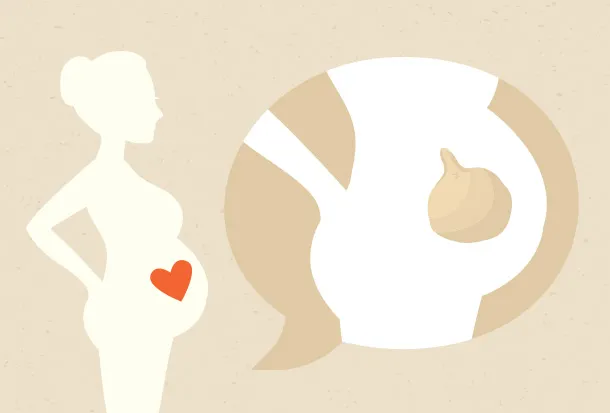
22 Week of pregnancy – what does the baby look like and how much does it weigh? Feelings of the mother-to-be
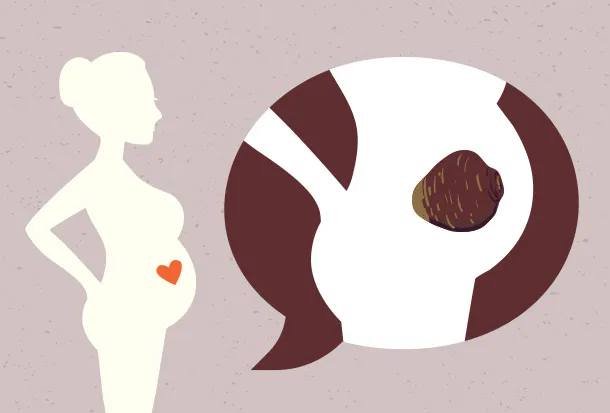
The 22nd week of pregnancy is exactly 20. Week of the baby's life and 5. Month (2nd trimester) of pregnancy. This is the time for a midterm ultrasound. The baby is about 25-30 cm long and weighs about 400-600 g. They can be compared in size to a zucchini, eggplant or large coconut. The 22nd week of pregnancy is when the baby sleeps about 14 hours in the womb. You can observe its daily rhythm: sleep and wakefulness. See how the body of the mother-to-be is changing and how she should take care of herself.
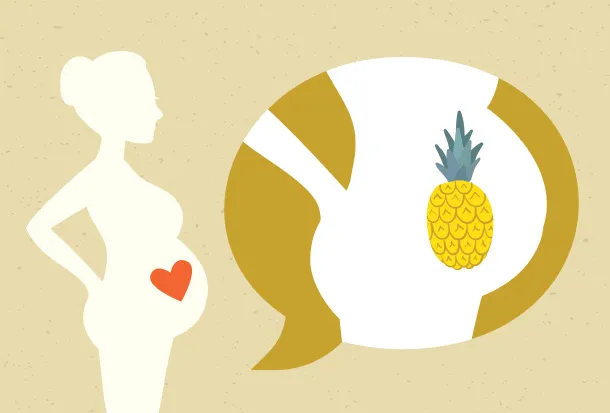
Week 29 of pregnancy – the most intense time in your baby’s development
W 29. The week of pregnancy the toddler takes real shape. As it grows, moms-to-be may find it much harder. The growing belly dictates that the pace should be slowed down, but more than half of the pregnancy is already behind the woman, so soon the mother-to-be will breathe a sigh of relief. Here's what each passing day contributes to the 29th. Week of pregnancy in both the baby and the pregnant woman.
Week 30 of pregnancy – what is the belly during this period? Baby’s development at 7 months
The thirtieth week of pregnancy means that there are only 10 weeks left until delivery. Many women can't wait for the baby to come into the world, so 3. The trimester is getting very long for them. It is worth spending it on building a bond with your child and relaxing. It is important to listen to the needs of the body, which may need more recovery. See how pregnancy progresses at 30. week.
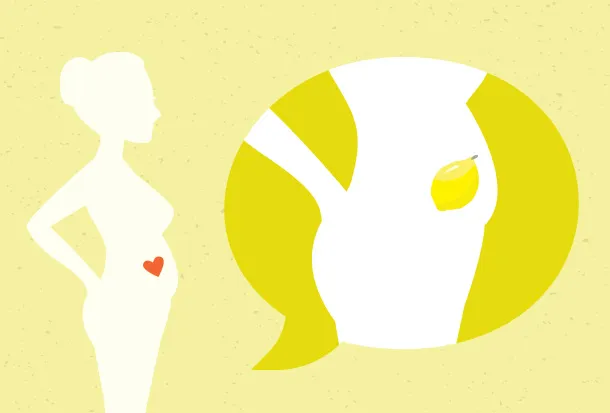
Week 10 of pregnancy – symptoms and changes in the mother’s body. What discomforts to expect at this stage?
The 10th week of pregnancy is a period of great change, looking not only at the development of the baby, but also at the woman's body. At this early stage of pregnancy, it is already possible to confirm the presence of the fetus by performing a non-invasive prenatal test or ultrasound. The pregnant woman herself may already be experiencing specific discomforts that are typical in the first trimester of pregnancy. Find out what changes occur in a woman's body in the tenth week of pregnancy, what symptoms are characteristic and what the baby looks like at this time. You can find a compendium of knowledge in this area below.
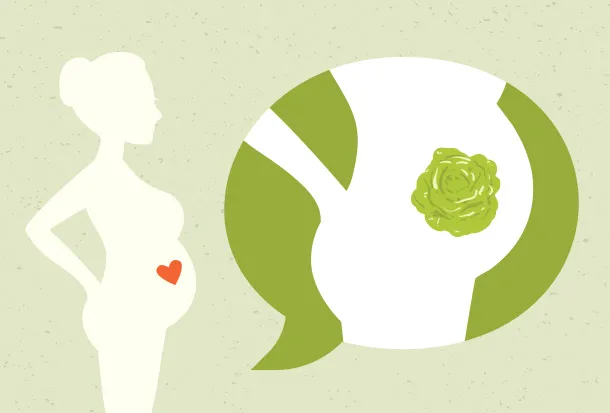
23 Week of pregnancy – changes taking place in the pregnant woman’s body. How is the fetus developing?
Pregnancy is a period when the body of the mother-to-be is dynamically changing. The 23rd week of pregnancy is one of the more pleasant ones, mainly due to the subsiding discomfort. This is the period when the baby resembles a small human being, and even the baby's facial expressions can be observed on ultrasound. Moms-to-be complain at this time of emerging heartburn and bloating.

Postpartum placenta – expulsion and examination after delivery
The placenta after delivery can be a valuable source of information about a woman's health. It is excreted shortly after the birth of the child. However, unlike labor pain, the placenta is born in a painless manner.
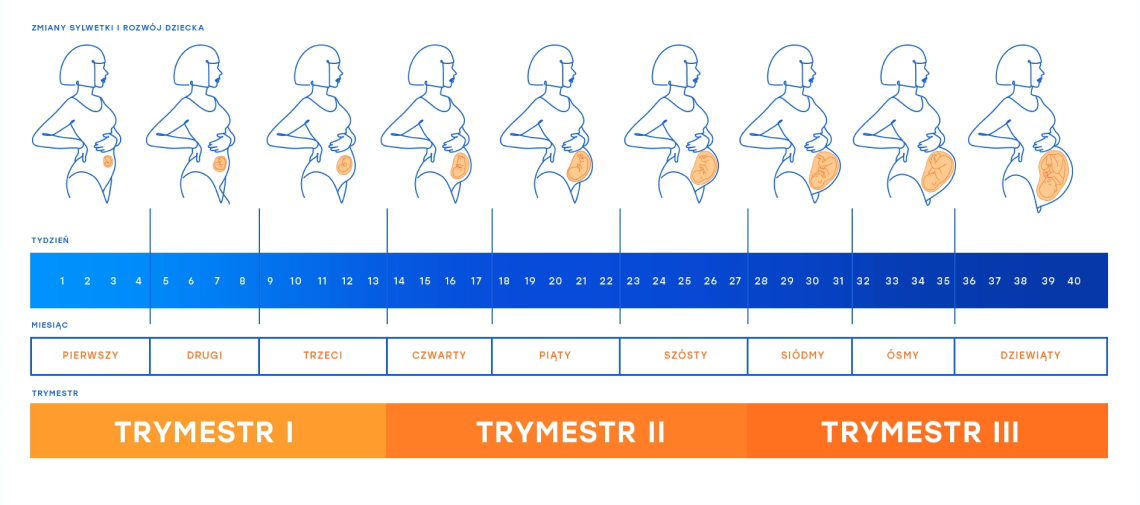
Pregnancy calendar – what happens in the mother’s belly during each trimester
The pregnancy calendar is rich with many fetal milestones - the development of the heart or the neural tube, from which the brain will later develop. Pregnant women should know what awaits them in each trimester of pregnancy in order to go through it more smoothly.
The pregnancy calendar tells precisely what is happening in a woman’s body during the long nine months of pregnancy week by week. A detailed description of the development processes of organs, limbs and systems helps determine which week of pregnancy a woman is going through. Based on the pregnancy calendar, it is possible to determine, with some caution, the approximate date of delivery. However, it is worth noting that there are also terminations at 41 and even, in rarer cases, 42 weeks of pregnancy.
40 weeks of pregnancy
- 1 trimester
The 1st week of pregnancy is counted rather perversely, because from the first day of menstruation, and therefore from the moment when the woman is not yet pregnant. The beginning of the fertile period is in the 2nd week of pregnancy, when the uterus is just preparing for fertilization, which generally occurs between the 12th and 16th day of the cycle. Proper fertilization does not occur until the 3rd week of pregnancy. The blastocyst, or future baby, measures 1.7mm at 4 weeks gestation, and is therefore smaller than the head of a pin. In the 5th week of pregnancy, the processes of organogenesis, or organ development, begin. Very intensive growth occurs between the 6th and 7th week of pregnancy – the embryo can grow up to 1 mm per day. At 8 weeks of pregnancy, the ultrasound image already shows hands and feet, the intestines are also developing and the future skeleton is delicate and fragile. In the 9th week of pregnancy, intensive brain development occurs and the fetus begins to move. From the 10th week, the fetus begins to sense its mother’s emotions, so it is important to keep stress to a minimum. At the end of the first trimester, along with nausea passes the most risky period (due to miscarriages).
- 2nd trimester
At 14 weeks of pregnancy, the baby already weighs 50 grams and measures 10 centimeters. Over the next 14 days, the pregnancy already becomes visible to those around it. During the 19th and 20th weeks of pregnancy, the baby’s hair is already growing, the ovaries of teeth are appearing, and the baby itself is becoming very active, which is perfectly sensed by its mother. Generally at the beginning of the 21st week of pregnancy until the end of the second trimester, the toddler has all his senses developed, hiccups happen, he kicks hard and already weighs more than 1 kilogram. When a pregnant woman eats something sweet, her fetal waters become so attractive to the baby that it begins to swallow them greedily. Receptors to the sweet taste are then very sensitive.
- 3rd trimester
The 28th week of pregnancy is the beginning of the last trimester, which will end in labor. At 29 weeks of pregnancy, the baby can already see and hear perfectly. During the 30th and 31st weeks of pregnancy, the baby’s immune system is strengthened. During this period also the baby slowly begins to position its head towards the uterine outlet, a sign that labor is getting closer. During the 32nd week of pregnancy, the baby is still gaining weight, and the ultrasound shows him sucking his thumb. At 33 – 34 weeks of pregnancy, premature labor may occur. During this time, the fetus accumulates large amounts of iron and builds up fat reserves. However, at this stage the lungs are not yet fully developed, so the most common problem for premature babies is breathing on their own. From the 36th week of pregnancy, the baby is already practically an independent entity and can live outside its mother’s body. From the 37th week until the end of pregnancy, the baby already has everything it needs to live outside the womb. Its lungs, brain, heart and other internal organs are strong and fully developed. Now all that remains is the delivery.