 Albania
 Bosnia and Herzegovina
 Bulgaria
 Croatia
 Cyprus
 Montenegro
 Czech Republic
 Denmark
 Estonia
 Spain
Spain
 Kosovo
 Lithuania
 Latvia
 Luxembourg
 Macedonia
 Germany
 Poland
 Portugal
 Romania
 Serbia
 Slovakia
 Slovenia
 Switzerland
 Sweden
 Turkey
 Hungary
 United Kingdom
 Italy
Italy
 UAE
UAE
 Hong Kong
 Kuwait
 Lebanon
 South Africa


Pregnant women's
zone
Abdominal pain in pregnancy (especially pain in the pit of the abdomen in pregnancy), as a rule, occurs early in pregnancy and accompanies the mother-to-be until delivery. Every pregnant woman watches her body with concern and anxiously wonders which symptoms to consult a specialist. It is useful, therefore, to know when abdominal pain is physiology and what constitutes an alarm signal.
Abdominal pain at the beginning of pregnancy as before period
The nature of abdominal pain in pregnancy largely depends on the month of pregnancy or trimester of pregnancy. The abdominal pains that occur in early pregnancy are related to the implantation of the embryo in the uterus. The growing uterus stretches and begins to compress the internal organs. The prickly abdominal pain of pregnancy and increased tenderness that then appears are, therefore, a natural phenomenon. Sometimes abdominal pains in the first weeks of pregnancy resemble menstrual pains, which is a natural phenomenon caused by hormonal changes resulting from conception. In addition, it is important to remember that cramps and abdominal pain in the first trimester of pregnancy may or may not be a harbinger of an impending miscarriage. This is especially likely when the abdomen hardens, plus there is bleeding or spotting, so all worrying symptoms should be consulted immediately with a specialist.
Abdominal pain in pregnancy – 2nd trimester
The emerging abdominal pains of pregnancy in the 2nd trimester are related to the rapid growth and development of the baby and the stretching of the uterus. As a result, a woman may experience severe lower abdominal pain and pulling in the groin. About 20. Week of pregnancy a woman begins to feel the movements of the baby, which at first can also be associated with severe abdominal pain. Between the second and third trimesters of pregnancy, the risk of premature placental detachment also increases. This can manifest itself as back and abdominal pain during pregnancy, as well as a feeling of stretching of the skin on the abdomen. If this is the case, contact your gynecologist immediately. Pain in the pit of the stomach during pregnancy can also be caused by electrolyte deficiency. In this case, mineral salts should be replenished and more fluids should be consumed.
Pain in the pit of the stomach in pregnancy in the 3rd trimester
Pain in the pit of the abdomen during pregnancy in the 3rd trimester may be due to the body’s preparation for childbirth. The third trimester of pregnancy continues to see intense development of the baby. After 20. Week of pregnancy in the pregnant woman may appear the so-called. Braxton-Hicks contractions. They are designed to prepare a woman for the upcoming delivery. These contractions are palpable but not painful, during their duration the uterus hardens, and after their cessation it returns to normal. The onset of these cramps may be accompanied by sacral pain and malaise, in addition, they can annoy a woman quite regularly for several hours and then abruptly disappear. After the 36th week of pregnancy, on the other hand, there are predictive contractions, which are characterized by hardening of the abdomen and increased soreness. Such strong stabbing abdominal pains during pregnancy can make it difficult to function normally, and they increase in frequency and strength the closer you get to delivery. Their characteristic feature is also irregular in occurrence. Abdominal pain can also be particularly troublesome during increased exertion or weight-bearing.
Abdominal pain on the right side in pregnancy, what does it mean?
Appearing abdominal pain on the right side during pregnancy is not necessarily the result of the development of the child in the womb. Non-pregnancy causes of abdominal pain include:
- ectopic pregnancy;
- intestinal obstruction;
- appendicitis;
- pre-eclampsia;
- urinary tract infections;
- kidney stones;
- food poisoning;
- stomach flu.
Abdominal pain, pregnancy
Any worrisome abdominal pain both in the first weeks of pregnancy and in the following weeks is worth consulting a specialist, but there are a few special cases when you should react immediately. If the pain is accompanied by spotting or bleeding, it may be a symptom of miscarriage, placental detachment or premature labor. When the pains are cramp-like, occur regularly and, in addition, during their duration, the abdomen begins to harden, this may be a signal of the onset of labor. If, on the other hand, the patient suffers from diarrhea, vomiting or fever in addition to abdominal pain, this could indicate food poisoning, for example. This condition requires quick intervention, as a pregnant woman is at risk of rapidly progressive dehydration, which is dangerous to her and the baby’s health. It is worth noting that a pregnant woman should not use any diastolic drugs and other pain relievers without the consultation and express recommendation of the doctor in charge of the pregnancy.
Read also: Week 22 of pregnancy – what month is it? Pain in the pubic bone
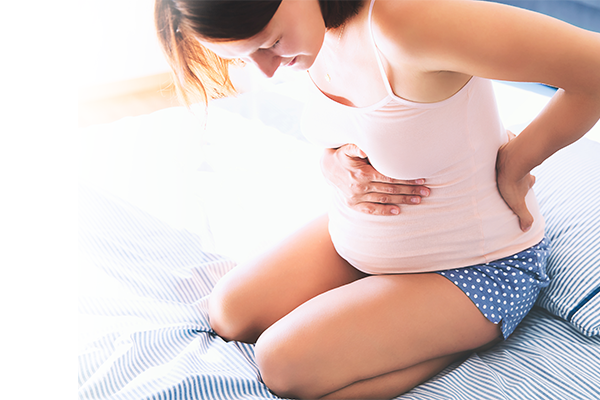
Causes, symptoms and treatment of abdominal pain in pregnancy. What for abdominal pain during pregnancy?
Abdominal pain in pregnancy occurs at different stages of pregnancy. Mostly it is a physiological symptom, signaling the growth and movement of the baby in the womb. However, if abdominal pain in pregnancy occurs along with cramps or bleeding, you should contact your doctor immediately.

Blood pregnancy test-when to perform?
Blood pregnancy tests examine the exact value of beta- HCG concentration in serum and with high probability can determine the presence or absence of pregnancy. Many couples trying to have a baby do not know when the earliest this test should be performed to give a reliable result. What beta HCG levels are indicative of pregnancy? In which week to perform the test?

TSH in pregnancy – norms and fluctuations. How to interpret the results?
Testing during pregnancy the level of TSH, the hormone responsible for the functioning of the future mother's body and the proper development of the baby, is one of the basic tests performed at various stages of pregnancy. TSH results help assess the quality of thyroid function and indicate or rule out various disorders.

Endometriosis and pregnancy – does the disease preclude having a child?
It is estimated that up to 15% of menstruating women suffer from endometriosis. It is the cause of many ailments. One of them may be infertility, that is, unsuccessful efforts to have a child. However, it is worth knowing that pregnancy with endometriosis is not impossible. It is necessary to take treatment as soon as possible.
Menopause and pregnancy

Is Apap during pregnancy safe? How to apply it?
It is not uncommon for pregnant women to turn to over-the-counter painkillers, with Apap being the most popular. It mainly has analgesic and antipyretic properties, which it owes to the active ingredient called paracetamol. The wide availability of this drug makes it possible to purchase it without a doctor's recommendation, but can paracetamol be taken during pregnancy? About it in our article today!

Ectopic pregnancy – symptoms and course of ectopic pregnancy
Ectopic pregnancy develops when the embryo nests not in the uterine cavity, but outside it - in the fallopian tube, ovary, abdominal cavity. This is not a common problem, but it breeds complications that threaten a woman's health and life. How to recognize ectopic pregnancy: what symptoms does it give? And what next - how is an ectopic pregnancy handled? We explain!
What does protein in urine in pregnancy mean? What does the treatment look like?
Protein in urine during pregnancy can be detected during a general urine test, for which a pregnant woman should report once a month. Its elevated amount may indicate a medical condition that requires treatment. Urine protein in pregnancy should not exceed 250 mg.
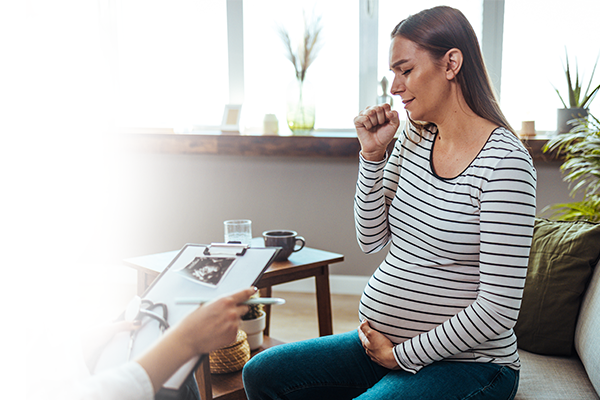
Does coughing during pregnancy harm the baby?
As a result of hormonal changes during pregnancy, moms-to-be are highly susceptible to infections. A symptom of infection, for example, is a persistent cough that, if left untreated, can develop into a serious upper respiratory tract disease. Treating cough in pregnancy is difficult due to limited therapeutic options.
Samo pokasływanie nie stanowi zagrożenia dla dziecka. Jest to jedynie uporczywa dolegliwość, która ze względu na ciążę przyszłej mamy powinna być odpowiednio zdiagnozowana i następnie leczona w początkowej fazie rozwoju. W zależności o przyczyny dolegliwości rozwinięta może być trudna do opanowania i tragiczna w skutkach zarówno dla matki, jak i dla dziecka. Czy są sposoby na poradzenie sobie z męczącym kaszlem w ciąży? Oczywiście, zaś absolutną podstawą jest odpowie
Kaszel w ciąży – dlaczego się pojawia?
Odruch kaszlu wyzwalają alergeny lub nadmiar śluzu w drogach oddechowych. W początkowej fazie jeśli jest spowodowany infekcją, to jest on suchy i świszczący, ponieważ błona śluzowa gardła ulega podrażnieniu i nie ma w jej wnętrzu wystarczająco dużo wydzieliny. Jeśli ta się nagromadzi, suchy kaszel przekształca się w mokry, aby uwolnić nadmiar śluzu. Często towarzyszy mu katar w ciąży, a spływająca po tylnej ścianie gardła wydzielina dodatkowo nasila kaszel, szczególnie w nocy
Czy kaszel w ciąży jest niebezpieczny?
U kobiet w ciąży kaszel może być zwiastunem rozwijającej się infekcji lub alergii, dlatego nie powinno się go lekceważyć. W przypadku występowania należy umówić się na wizytę lekarską, szczególnie w przypadku współwystępowania innych objawów. Niepokojąca bywa często towarzysząca kaszlowi wysoka temperatura w ciąży.
| Ważne! Zagrożenia dla dziecka nie niesie sama obecność kaszlu w ciąży, lecz fakt, że może stanowić początek poważnej choroby dróg oddechowych i to ona może być niebezpieczna dla płodu. W ostatnich dniach ciąży mocny kaszel może wywołać również przedwczesny poród. |
Kaszel w ciąży, w zależności od etiologii, wymaga leczenia. Pomimo, że ciąża i połóg są wyjątkowym momentem w życiu kobiety i wydawałoby się, że możliwości terapii są w tym czasie ograniczone to nic bardziej mylnego. Lekarz zajmujący się Pacjentką ciężarną z pewnością dobierze leczenie w zależności od diagnozy.
Przeczytaj także: Covid w ciąży – co robić i czy zagraża dziecku? Jak leczyć zakażenie Koronawirusem w ciąży?
Czy kaszel w ciąży jest dokuczliwy?
Kaszel w ciąży w 1. trymestrze pod względem fizycznym nie będzie dokuczał mocniej niż przed ciążą. Jednak w późniejszych etapach może przynieść więcej dyskomfortu. Kaszel w 3. trymestrze ciąży może być uciążliwy ze względu na możliwą obecność:
- bólu żeber,
- nietrzymania moczu,
- refluksu, który nasila kaszel.
Leki przeciwbólowe w ciąży trzeba dobierać ostrożnie: czytając ulotki, a najlepiej po konsultacji z lekarzem.
Co na suchy kaszel w ciąży?
Drapanie w gardle i suchy kaszel w ciąży to uciążliwe objawy. Zazwyczaj to od nich rozpoczyna się przeziębienie. Śluzówka gardła jest podrażniona i nie ma w jej wnętrzu wystarczająco dużo wydzieliny, żeby powstrzymać duszący kaszel. Jakiekolwiek przeziębienie w ciąży powinno być leczone w początkowej fazie jego rozwoju, zwłaszcza w ostatnim trymestrze. Przypominamy, że uporczywy kaszel w ciąży, tuż przed rozwiązaniem, może wywołać skurcze macicy i przedwczesny poród.
Na suchy kaszel pomoże:
- herbatka imbirowa,
- syrop zrobiony samodzielnie z imbiru, cytryny i miodu.
- siemię lniane wypijane 2 razy dziennie.
W aptece można kupić syrop na kaszel w ciąży, który zawiera prawoślaz. Wiele preparatów z prawoślazem ma w składzie także podbiał, którego kobiety w ciąży powinny unikać, ponieważ udowodniono jego szkodliwe działanie na płód.
Przyszła mama powinna również pamiętać o nawilżaniu gardła. W ten sposób będą działały preparaty z porostu islandzkiego. Kupuje się je bez recepty w postaci pastylek do ssania o smaku miętowym lub czarnej porzeczki. Gardło można nawilżyć, stosując inhalacje z soli fizjologicznej. Do ich wykonania potrzebny jest nebulizator. Jeśli przyszła mama go nie posiada, może wykorzystać miskę z wodą i ręcznik. To stary sprawdzony sposób stosowany przez nasze babcie.
Co na mokry kaszel w ciąży?
W celu pozbycia się dolegliwości przyszła mama może sięgnąć po domowe sposoby na kaszel w ciąży. Jedną z metod jest sporządzenie syropu z czosnku, cebuli i miodu. Niestety nie każda ciężarna toleruje jego zapach. Rozwiązaniem problemu może być syrop na kaszel dla kobiet w ciąży, który zawiera wyciąg z malin i witaminy C. Trzeba jednak uważać, aby nie przesadzić z jego ilością, bo może wywołać skurcze macicy.
Na mokry kaszel w ciąży skuteczne będą inhalacje z olejków eterycznych:
- sosnowego,
- eukaliptusowego,
- miętowego.
Można je zakraplać na pościel – sen będzie dużo łatwiejszy.
Kobieta ciężarna nie może stosować klasycznych syropów wykrztuśnych. Zawierają alkohol, którego nawet najmniejsza ilość jest niebezpieczna dla malucha. Zatem co na kaszel mokry w ciąży, jeśli domowe sposoby zawodzą? Jeśli kaszel się nasila albo przedłuża, należy iść do lekarza. W ciąży wiele leków jest zabronionych i nie wolno ich przyjmować na własną rękę. Decyzję o zastosowaniu środków farmaceutycznych o możliwym szkodliwym działaniu podejmuje lekarz. Zapada ona w momencie, gdy korzyść z zażywania leku jest większa niż potencjalne zagrożenie dla dziecka.
FAQ
1. Co na duszący kaszel w ciąży?
Na duszący, suchy kaszel pomagają herbatka imbirowa lub syrop z imbiru, cytryny i miodu, siemię lniane, syrop z prawoślazu (bez podbiału), pastylki z porostem islandzkim oraz inhalacje z soli fizjologicznej. Leczenie zawsze należy skonsultować z lekarzem!
2. Kaszel a ciąża – jakie są możliwe zagrożenia?
Samo pokasływanie zwykle nie szkodzi dziecku, ale kaszlu nie warto lekceważyć, bo może być początkiem poważnej choroby dróg oddechowych, która bywa niebezpieczna dla płodu. Jeśli występują inne, odpowiadające symptomy, to kaszel może być jednym z objawów ospy w ciąży czy grypy w ciąży.
3. Kaszel w ciąży – co brać profilaktycznie?
Warto przede wszystkim zmniejszać ryzyko przeziębienia: dbać o sen i regenerację, unikać kontaktu z osobami chorymi i zatłoczonych, dusznych miejsc, często myć ręce, wietrzyć mieszkanie i nawilżać powietrze, a przy pierwszych objawach szybko reagować. Warto też zabezpieczyć się przed poważnymi chorobami – najlepiej zapytać lekarza prowadzącego o możliwe szczepienia w ciąży.
4. Co czuje dziecko, gdy mama kaszle?
Dziecko czuje ruch, jednak jest całkowicie bezpieczne. Kaszel sam w sobie nie jest dla dziecka problemem, a większe znaczenie ma jego przyczyna – jeśli to infekcja lub inna choroba dróg oddechowych, wtedy warto szybciej zareagować.
5. Czy kaszel może oznaczać zapalenie oskrzeli w ciąży?
Tak, kaszel może oznaczać infekcję dróg oddechowych, ale nie musi. W przypadku uciążliwego kaszlu w ciąży skontaktuj się ze swoim lekarzem prowadzącym.
{ “@context”: “https://schema.org”, “@type”: “FAQPage”, “mainEntity”: [{ “@type”: “Question”, “name”: “Co na duszący kaszel w ciąży?”, “acceptedAnswer”: { “@type”: “Answer”, “text”: “Na duszący, suchy kaszel pomagają herbatka imbirowa lub syrop z imbiru, cytryny i miodu, siemię lniane, syrop z prawoślazu (bez podbiału), pastylki z porostem islandzkim oraz inhalacje z soli fizjologicznej. Leczenie zawsze należy skonsultować z lekarzem!” } },{ “@type”: “Question”, “name”: “Kaszel a ciąża – jakie są możliwe zagrożenia?”, “acceptedAnswer”: { “@type”: “Answer”, “text”: “Samo pokasływanie zwykle nie szkodzi dziecku, ale kaszlu nie warto lekceważyć, bo może być początkiem poważnej choroby dróg oddechowych, która bywa niebezpieczna dla płodu. Jeśli występują inne, odpowiadające symptomy, to kaszel może być jednym z objawów ospy w ciąży czy grypy w ciąży.” } },{ “@type”: “Question”, “name”: “Kaszel w ciąży – co brać profilaktycznie?”, “acceptedAnswer”: { “@type”: “Answer”, “text”: “Warto przede wszystkim zmniejszać ryzyko przeziębienia: dbać o sen i regenerację, unikać kontaktu z osobami chorymi i zatłoczonych, dusznych miejsc, często myć ręce, wietrzyć mieszkanie i nawilżać powietrze, a przy pierwszych objawach szybko reagować. Warto też zabezpieczyć się przed poważnymi chorobami – najlepiej zapytać lekarza prowadzącego o możliwe szczepienia w ciąży.” } },{ “@type”: “Question”, “name”: “Co czuje dziecko, gdy mama kaszle?”, “acceptedAnswer”: { “@type”: “Answer”, “text”: “Dziecko czuje ruch, jednak jest całkowicie bezpieczne. Kaszel sam w sobie nie jest dla dziecka problemem, a większe znaczenie ma jego przyczyna – jeśli to infekcja lub inna choroba dróg oddechowych, wtedy warto szybciej zareagować.” } },{ “@type”: “Question”, “name”: “Czy kaszel może oznaczać zapalenie oskrzeli w ciąży?”, “acceptedAnswer”: { “@type”: “Answer”, “text”: “Tak, kaszel może oznaczać infekcję dróg oddechowych, ale nie musi. W przypadku uciążliwego kaszlu w ciąży skontaktuj się ze swoim lekarzem prowadzącym.” } }] }