 Albania
 Bosnia and Herzegovina
 Bulgaria
 Croatia
 Cyprus
 Montenegro
 Czech Republic
 Denmark
 Estonia
 Spain
 Kosovo
 Lithuania
 Latvia
 Luxembourg
 Macedonia
 Germany
 Poland
 Portugal
 Romania
 Serbia
 Slovakia
 Slovenia
 Switzerland
 Sweden
 Turkey
 Hungary
 United Kingdom
 Italy
 UAE
 Hong Kong
 Kuwait
 Lebanon
 South Africa


Pregnant women's
zone
Bleeding at the beginning of pregnancy
Many women experience bleeding at the very beginning of pregnancy. If it is small and occurs on the date of the expected menstruation, it may be implantation bleeding. It is associated with the implantation of the embryo in the endometrium. In addition, spotting in early pregnancy can occur, among other things. As a result of vaginal infections, after intercourse or due to ectopia (erosion) of the cervix. In a great many situations, it is impossible to find a clear cause for spotting or bleeding. However, you should always consult a gynecologist, who will perform the necessary tests.
A much more serious condition that causes bleeding in the early stages of pregnancy is, for example.
ectopic (ectopic) pregnancy
. This is a situation in which a fertilized egg cell nests in an abnormal place, i.e. outside the uterine cavity. Early detection of ectopic pregnancy is difficult due to the uncharacteristic symptoms, which are similar to miscarriage. However, ignoring them can lead to rupture of the fallopian tube and even shock, which is a threat to a woman’s life.

Bleeding in the 1st trimester- miscarriage
Many women worry that bleeding from the genital tract in the first half of pregnancy unequivocally means miscarriage. In fact, the first trimester of pregnancy is associated with the highest risk of miscarriage, but the occurrence of spotting or bleeding can be associated with much less serious causes, as mentioned above. In addition, do not forget about a threatened miscarriage. Despite the appearance of bleeding, it is not equivalent to pregnancy loss.
The severity of bleeding in a miscarriage varies from light spotting to severe hemorrhages. There may also be other symptoms such as lower abdominal pain or less characteristic symptoms such as fever. Never underestimate bleeding during pregnancy and consult with your health care provider for any such episode.
Bleeding in the second half of pregnancy
Bleeding in the second half of pregnancy is most often associated with abnormalities of the placenta. More than half of the cases are placenta previa and premature separation of the placenta. These are serious conditions that threaten both the pregnant woman and the baby and are an indication for hospitalization. Other reasons for the occurrence of bleeding in II. mid-pregnancy include cervical polyps, bleeding erosion, anterior vessels, trauma to the reproductive tract, and in the perinatal period, among others. uterine rupture. It is also important to note that bleeding may occur due to the onset of labor.
-
Anterior bearing
This is the term for the situation when the placenta is implanted within the lower uterine segment. Most often it covers the inner mouth of the cervical canal. The diagnosis of placenta previa generally falls in II. mid-pregnancy, since only then is the placenta fully developed. In the earlier weeks, its migration is still possible. Often the only symptom is bleeding, and each subsequent symptom is more profuse. Pregnant women with placenta previa are subject to intensive obstetric surveillance. KTG and ultrasound examinations are performed, as well as a fetal biophysical profile, which provides information on fetal well-being. In the case of an anterior placenta, natural childbirth is impossible. In addition, an internal examination is contraindicated due to the high risk of hemorrhage.
-
Premature separation of the placenta
The situation when there is a partial or complete separation of the placenta from the uterine wall of a properly located placenta is called its premature separation. Symptoms, in addition to bleeding from the genital tract, include severe pain in the lower abdominal area and increased uterine tension. If more than 50% of the placental surface separates, fetal hypoxia and even death can occur.
In most cases, both placenta previa and placenta previa are not contraindications to cord blood collection. During a cesarean section, blood is drawn as soon as the placenta is extracted. Studies show that the volumes taken in natural childbirth and cesarean delivery are comparable. If you have any questions or concerns, please feel free to contact us using the form.

Bleeding during pregnancy-is it dangerous?
Genital tract bleeding during pregnancy always worries moms-to-be. It can be associated with a miscarriage or placenta previa, but in many situations it means nothing dangerous. However, it is very important to go to the doctor or emergency room regardless of the week of pregnancy in such a case. In the text we describe the most common causes of bleeding at the beginning of pregnancy and in its second half.

Depression during pregnancy – how to deal with it?
Depression during pregnancy is a problem that many moms-to-be face. It is estimated to affect 10-20% of pregnant women. The disease requires appropriate treatment, as its effects can be dangerous to the health of the woman and the developing fetus.

Bleeding in pregnancy – what it means and when you need to see a doctor
Bleeding or spotting can occur at any stage of pregnancy. It does not always involve danger to the fetus, but every time it is certainly a great stress for the mother-to-be. Scanty spotting in pregnancy or heavy bleeding should always be consulted with a doctor to find out the cause and be able to react appropriately in case of abnormalities. Learn more about bleeding and spotting in pregnancy, see when such symptoms can be dangerous and when they are even natural.

Renal colic in pregnancy – symptoms and treatment
Renal colic in pregnancy occurs when the flow of urine through the urinary tract is blocked. Its most common cause is compression of the kidneys by the enlarging uterus or the accumulation of deposits in the kidneys, possibly in the urinary tract. The characteristic symptom of renal colic is severe pain in the lower back.

Is a toothache during pregnancy dangerous? Treatment and home remedies
Toothache during pregnancy cannot be ignored, as it often indicates inflammation that requires dental treatment. Untreated oral bacterial infections can be dangerous to the fetus. To relieve toothache in pregnancy, home remedies are helpful.
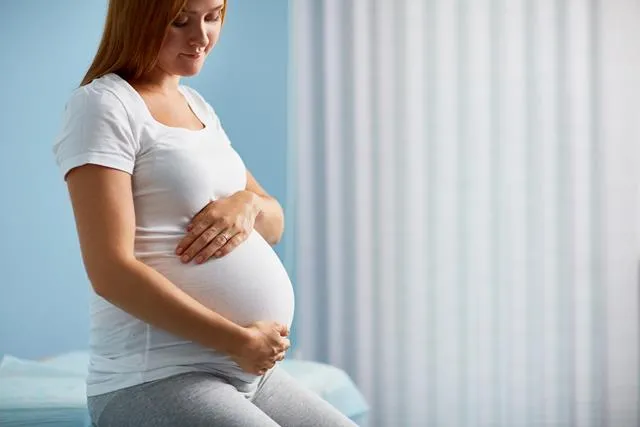
What is the sign of kidney pain in pregnancy? What to do when ailments arise?
Back pain in the kidney cast in pregnancy requires medical consultation and diagnostic testing. Its appearance may indicate a urinary tract infection, urolithiasis or nephritis. In any case, it is important to quickly implement treatment, as these diseases can endanger the fetus.
Pregnancy and sickness benefits. Rules for payment of benefits in the UK
In the U.K., a woman who is pregnant and still working is entitled to sick leave if she becomes ill or unwell. She is then entitled to sickness benefits. In the UK, it is paid by the employer and does not depend on income.

Is hand numbness in pregnancy a cause for concern?
The body of moms-to-be is constantly changing, preparing for the little one to come into the world safely. A woman experiences many discomforts during this time, which can cause discomfort and intensify as the baby grows. One of them is hand numbness in pregnancy. How to deal with it and what causes the ailment?
Anemia in pregnancy – diagnosis and treatment, and the possibility of stem cell donation
Anemia is a common condition during pregnancy. It is estimated that about 40% of pregnant women are iron deficient. Their cause is the increased demand for this element during pregnancy. Anemia in a pregnant woman is a contraindication to cord blood stem cell donation.
Anemia in pregnancy – symptoms
Anemia in pregnancy manifests itself in a characteristic pallor of the skin. The mother-to-be also feels fatigue, especially after exercise. This is because with anemia there is a reduced tolerance for movement. What are some other symptoms of anemia in pregnancy? May occur:
- Headaches,
- Trouble with concentration and memory,
- Dizziness, loss of balance,
- Accelerated heartbeat,
- Sensory disturbances, numbness in the extremities (with severe anemia),
- Hypotension,
- Abdominal pain, constipation.
Disturbing symptoms should be consulted by a doctor. The result of anemia in pregnancy can be miscarriage, or premature birth (a very common phenomenon in moms with anemia). It is also a contraindication to harvesting stem cells from cord blood. Pregnant women with severe anemia are referred to the hospital. The severity of the symptoms can put the child at risk. In such situations, a cesarean section procedure is performed.
Diagnostic tests for anemia in pregnancy
Gestational anemia is diagnosed on the basis of a peripheral blood count.There is then a significant reduction in the value of hemoglobin and hematocrit in the blood. A pregnant woman needs at least 26 mg of iron per day. In the case of anemia in pregnancy, the results are significantly different from the norm.
Gestational anemia is usually accompanied by a lower red platelet volume (MCV). This may indicate a deficiency of folic acid and vitamin B12, which are needed for the proper development of the child. The risk of the disease increases in the case of multiple pregnancies, or if the mother follows a vegan diet with low amounts of vitamins and minerals. Treatment consists of taking iron tablets, and vitamins and minerals. A diet for anemia in pregnancy, rich in products with a high iron content, is recommended for mothers-to-be.
Taking iron preparations can cause constipation. Black stools are completely normal with these drugs and should not be worried about them. In the case of massive constipation, mom should see a doctor.
What to eat when anemic during pregnancy?
The nutritional basis for anemia in pregnancy should be products with a high content of iron and folic acid.These include:
- Green vegetables – ie. Lettuce , spinach, broccoli, green peas,
- Citrus fruits and juices made from them (vitamin C increases iron absorption),
- Baked goods, especially whole grains,
- Meat – especially red, lean meat (you can also eat poultry, or lamb),
- Fish(sardines contain a great deal of iron),
- Eggs and dairy products,
- Breakfast cereal,
- Brown rice.
Mom-to-be can drink herbal infusions such as: nettle for anemia during pregnancy. The leaves of this herb contain as much as 1.7 mg of iron. The tea should be drunk twice a day.
A pregnant woman should also take care of proper supplementation: iron, folic acid and vitamins for pregnant women. With pregnancy anemia, it is advisable to increase the dose of folic acid. It is also recommended to avoid coffee and tea after meals, as they can leach iron.