 Albania
 Bosnia and Herzegovina
 Bulgaria
 Croatia
 Cyprus
 Montenegro
 Czech Republic
 Denmark
 Estonia
 Spain
 Kosovo
 Lithuania
 Latvia
 Luxembourg
 Macedonia
 Germany
 Poland
 Portugal
 Romania
 Serbia
 Slovakia
 Slovenia
 Switzerland
 Sweden
 Turkey
 Hungary
 United Kingdom
 Italy
 UAE
 Hong Kong
 Kuwait
 Lebanon
 South Africa


Pregnant women's
zone
Low blood pressure in pregnancy is determined by many factors. Depending on the reasons, the decline in its value may persist for a long time or occur episodically. The way to raise blood pressure is, first of all, to lead a healthy lifestyle.
Too low blood pressure in pregnancy – causes
Low blood pressure in pregnancy is rarely associated with cardiovascular disease in the mother-to-be. A decrease in blood pressure in pregnancy is already observed in the first trimester mainly due to increased levels of progesterone, the hormone responsible for the elasticity of blood vessels. Low blood pressure at the beginning of pregnancy is a natural but harmless phenomenon, in the course of which the value of pressure, usually diastolic, falls by nearly 10 mm Hg. At this stage of pregnancy, blood volume also increases, which also slows circulation. Low diastolic blood pressure in pregnancy can also be the result of dehydration in the body of the mother-to-be. Inadequate hydration, or drinking too few fluids, slows down the metabolism, causes an increase in body temperature and increases the activity of sweat glands, whose increased work further amplifies the degree of dehydration. Hypotension in pregnancy is also often the result of exhausting exertion, especially prolonged standing, and lack of physical activity. The upright position and immobility promote improper circulation of blood from the lower parts of the body to the brain, which provokes a drop in blood pressure and can result in weakness or fainting. It is also common to see low blood pressure and high pulse rate in pregnancy. On average, a pregnant woman’s heart rate increases by up to 20 beats per minute. The heart works faster to compensate for the loss of pressure and pump blood through more flexible vessels.
Low blood pressure in pregnancy – symptoms
Low blood pressure in pregnancy usually manifests itself with a group of nonspecific but annoying symptoms that can involve a number of chronic conditions. As a result of hypotension, one can most often experience dizziness, tinnitus and drowsiness. Visual disturbances in the form of dark circles in front of the eyes are also not uncommon. The mother-to-be may also complain of general weakness and feelings of fatigue that are not due to physical exhaustion. Hypotension in pregnancy often causes headaches and trouble concentrating, is the cause of a feeling of palpitations, and chills the skin of the feet and hands. Very low blood pressure in pregnancy, in turn, is often associated with fainting due to cerebral hypoxia. This is potentially the most dangerous symptom of hypotension, as it can cause an unfortunate fall and create a dangerous head or abdominal injury to the mother. Symptoms of low blood pressure can occur with varying degrees of severity.
How to raise blood pressure during pregnancy?
Low blood pressure in pregnancy can be safely raised and avoid recurrence of unpleasant symptoms. First and foremost, it is worth taking care of proper hydration of the body especially during the summer. It is recommended to provide a minimum of 2 liters per day. The best are still or lightly mineralized water and natural fruit juices mixed with water. It is also a good idea to drink herbal infusions, such as chamomile, which further regulates intestinal function. For hypotension in pregnancy, light general physical activity, such as walking, yoga or dancing, is absolutely indicated. It is also necessary to take care of the salt supply, which can then be slightly higher than usual. Coffee in pregnancy with low blood pressure is not prohibited, but it is worth limiting its consumption to a maximum of 2 weak cups. An invaluable way to lower blood pressure is to rest and sleep in a position on the left side, which improves blood flow and oxygenation throughout the body.
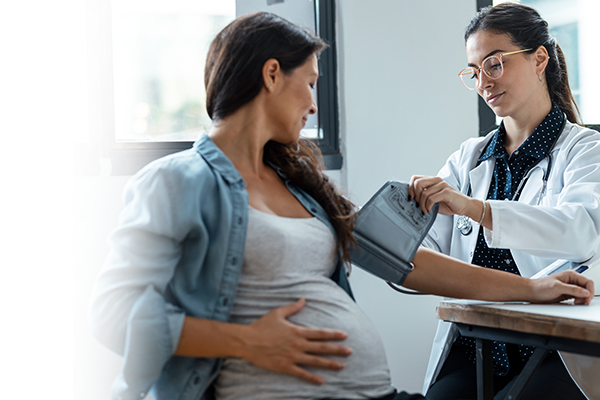
Hypotension in pregnancy – causes and symptoms of the phenomenon, safe treatment options
Low blood pressure in pregnancy is usually not associated with serious circulatory disease. This is mostly a natural phenomenon, in the course of which the pressure value falls by nearly 10 mm Hg. However, it causes unpleasant symptoms, even dangerous to health. Regular walks or a good diet regulate blood pressure.
Constipation in pregnancy – causes, symptoms, treatment options
Constipation in pregnancy often annoys moms-to-be, burdening them with unpleasant symptoms. However, this is a common phenomenon that is closely related to the physiology of pregnancy. Tackling bowel disorders in pregnancy is not difficult, but consistency is what counts.

Chamomile in pregnancy-is it safe?
Due to the negative effects of many medications on pregnancy, mothers-to-be often look for home and natural remedies for various ailments. Among the most commonly used herbs is chamomile, especially helpful in the first weeks of pregnancy. But are chamomile infusions safe during pregnancy?

What is gestational cholestasis? Learn about its causes, symptoms and treatments.
Gestational cholestasis involves a disruption of bile outflow into the duodenum. As a result, the products of metabolism are not eliminated and accumulate in the body. This can lead to many complications, primarily in the fetus. This affliction usually appears in the third trimester of pregnancy, and its first sign is itchy skin. What exactly is cholestasis? Symptoms, causes and treatment of this complication - this we will discuss in this article.
Hemorrhoids in pregnancy – causes, symptoms, ways to prevent them
Hemorrhoids in pregnancy are a common problem faced by pregnant women, especially in the second and third trimesters. The phenomenon is most often caused by chronic constipation and uterine growth, which increase pressure in the veins lining the anal canal. However, it is worth knowing that it is possible to significantly reduce the risk of their occurrence. How? We answer!
Diarrhea and pregnancy. Can diarrhea be a symptom of pregnancy and what to use for diarrhea in pregnancy?
Diarrhea in pregnancy, or diarrhea, is an ailment that occurs relatively frequently. Diarrhea at the beginning of pregnancy may be a result of pregnant women's greater susceptibility to gastrointestinal infections. In contrast, diarrhea before childbirth often signals an impending solution. What is the treatment for this condition in moms-to-be? What are the causes of diarrhea in pregnancy? We answer!

Nausea during pregnancy – how to control it and what to use?
During pregnancy, nausea is a common occurrence. Running to the toilet in the morning is almost a daily occurrence for most pregnant women. The unpleasant discomfort is the result of the presence in the female body of the pregnancy hormone chorionic gonadotropin, which is produced a few days after conception. Nausea during pregnancy can be alleviated with preparations based on plant-based raw materials.
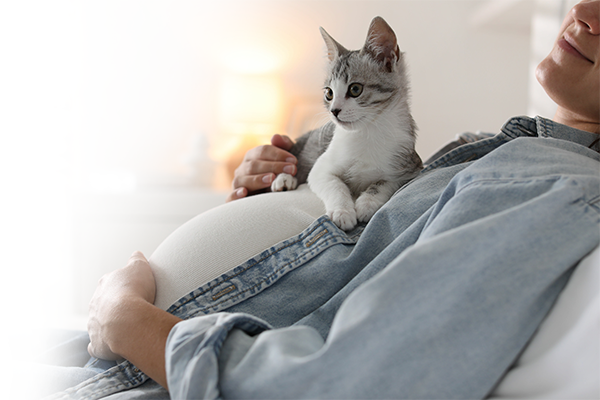
Toxoplasmosis in pregnancy – causes, symptoms, treatment and prevention. What effect does this disease have on the fetus?
Toxoplasmosis is a parasitic disease, transmitted mainly by cats. It can be contracted from contact with their feces or after eating raw meat. For the mother-to-be and her baby, it is very dangerous. Underestimating symptoms and abandoning drug therapy can result in pregnancy disruption and even intrauterine fetal death. Treatment of toxoplasmosis offers the chance to give birth to a fully healthy baby.

Headache during pregnancy – how to deal with it?
A headache in pregnancy usually does not mean a serious illness. Its cause can be stress, hormonal changes, migraine or sleep disorders. No need to worry if it is mild or moderate. However, a sudden and severe headache in pregnancy accompanied by other symptoms should always be consulted with a doctor.
Although in most cases the headache in pregnancy is mild, it can significantly worsen your mood and make daily life difficult. It is not recommended that a pregnant woman take any medication without consulting her doctor. Fortunately, there are many effective and safe home remedies for pregnancy headaches, and these are the ones you should try first.
Causes of headaches in pregnancy
The causes of headaches in pregnancy can vary. In most cases, unpleasant discomfort is caused by stress, fatigue, sleep deprivation or excessive tension in the shoulder and neck muscles. They also sometimes occur as a result of insufficient water intake during the day. This type of headache in pregnancy is usually mild or moderate and is not accompanied by other symptoms.
A headache in pregnancy can be caused by a cold or respiratory infection. This cause of the ailment may be indicated by additional symptoms: cough, hoarseness, elevated body temperature, muscle pain, weakness, runny nose. Due to reduced immunity, pregnant women should observe hygiene rules and avoid clusters of people, especially during the period of increased incidence of flu and cold.
Frequent headaches at the beginning of pregnancy are related to the intense hormonal changes that occur in a woman’s body after conception. The increase in pregnancy hormones causes blood vessels to dilate and increases the volume of circulating blood. Such a condition results in pressure spikes, especially during changes in position or physical activity. Often a headache occurs as a result of withdrawal from stimulants. This may be observed by women who smoked cigarettes or drank strong coffee before pregnancy.
It is also important to remember that a headache during pregnancy can be caused by other conditions. Among them are listed:
- pre-eclampsia,
- hypertension,
- Venous thrombosis of the brain,
- vascular malformations,
- anemia,
- subarachnoid hemorrhage.
They are usually accompanied by other symptoms: deterioration of mood, neurological disorders, numbness in the limbs, deterioration of vision. If this is the case, you need to see a doctor immediately.
Migraine in pregnancy
One of the causes of headaches in pregnancy is migraine. It can be recognized by the fact that the discomfort occurs only on one side and is accompanied by nausea, vomiting, photophobia and hypersensitivity to sounds. A migraine headache in pregnancy is severe, throbbing and can significantly impede daily activities.
It is observed that migraine during pregnancy is less common than before it. However, if a seizure does occur, appropriate treatment should be implemented. A pregnant woman should take only medications prescribed by her doctor, as well as rest, hydrate her body and eat a healthy diet.
How to deal with headache during pregnancy?
Many women wonder what for a pregnancy headache will be safe and effective. It is advisable not to take any medication without consulting a doctor – not all painkillers (even over-the-counter ones) are approved for use by pregnant women. That’s why it’s better to bet on home remedies for pregnancy headaches.
Home remedies for pregnancy headache are:
- A cold compress on the temples,
- warm bath,
- Use of relaxation techniques,
- temple massage,
- Rest in a ventilated and shaded room,
- yoga,
- Neck or shoulder massage.
To prevent frequent headaches during pregnancy, eat healthy (including limiting sugar intake) and spend time outdoors, as well as ensure adequate rest.