 Albania
 Bosnia and Herzegovina
 Bulgaria
 Croatia
 Cyprus
 Montenegro
 Czech Republic
 Denmark
 Estonia
 Spain
 Kosovo
 Lithuania
 Latvia
 Luxembourg
 Macedonia
 Germany
 Poland
 Portugal
 Romania
 Serbia
 Slovakia
 Slovenia
 Switzerland
 Sweden
 Turkey
 Hungary
 United Kingdom
 Italy
 UAE
 Hong Kong
 Kuwait
 Lebanon
 South Africa


Pregnant women's
zone
Illness during pregnancy is an additional burden on the expectant mother. Viral and bacterial infections are commonly dangerous, but so are systemic diseases like diabetes, obesity or immune-mediated diseases. Particular risks are associated with toxoplasmosis, rubella or bacterial vaginitis.
Types of diseases in pregnancy
During pregnancy, many hormonal and metabolic changes take place in a woman’s body. Autoimmune diseases and pregnancy are not mutually exclusive. Women suffering from immune system disorders should have no problem getting pregnant. However, pregnant women diagnosed with Hashimoto’s disease, for example, must be under constant observation by a gynecologist and endocrinologist. Infectious diseases during pregnancy, such as sexually transmitted chlamydia, can cause severe infections in the pelvic area. It is one of the most dangerous intracellular bacteria that can contribute to ectopic pregnancy and even miscarriage. The penetration of chlamydia into the pregnant woman’s body affects the stimulation of the immune system, which recognizes the fetus as foreign and rejects it, hence the miscarriages.
Diseases of the fetus during pregnancy are most often genetic, meaning that they are passed from generation to generation. Perhaps the most well-known genetic diseases are Down syndrome (associated with trisomy of one of the 23 pairs of chromosomes) and Edwards syndrome (trisomy of the 18th pair of chromosomes), with the latter usually resulting in death by the age of 5 years out of wedlock.
Pregnancy diseases that occur with high frequency are gestational cholestasis. They can develop in the last trimester of pregnancy. If treated properly, the risk of side effects is low. If left untreated, gestational cholestasis can cause hemorrhage during labor and endanger the life of the child being born.
Zoonotic diseases in pregnancy
Zoonotic diseases in pregnancy are mainly associated with toxoplasmosis. The disease is caused by parasites residing in raw muscle, unwashed fruits and vegetables and cat feces. Toxoplasmosis is classified as a dangerous disease, with pregnancy symptoms either passing mildly or not manifesting at all. The infection, which first occurred in the first trimester of pregnancy, gives the greatest risk of fetal development delays due to disruption of the physiological process of brain formation.
Rubella and CMV in pregnancy
Diseases of pregnant women are also transmitted by viruses. Among these dangerous diseases in pregnancy is rubella. It is mainly associated with the preschool period, and its symptoms include enlarged lymph nodes and a small rash. There are rubella vaccinations given to girls at puberty. It is rare that any woman has not undergone this disease in childhood. A pregnant woman who has not undergone rubella or been vaccinated must get vaccinated as soon as possible. Rubella virus infection during the first trimester of pregnancy causes serious birth defects associated with heart defects, skeletal defects, vascular disease, deafness and mental underdevelopment.
Another dangerous virus in pregnancy is cytomegalovirus (CMV), which belongs to the herpes viruses. The route of herpes infection is urine, blood or saliva of the affected person. According to statistics, most infections occur during early childhood. When a mother-to-be becomes infected with CMV, she usually gives birth to a healthy baby who, over time, develops problems with hearing, learning to read or psychomotor skills. Prevention is based on adherence to hygiene: washing hands and food products.
Stem cell collection from cord blood can be done only once in a lifetime during childbirth. However, in the case of serious diseases of the fetus or mother, the decision on this procedure must be made by the attending physician.
See also: Cough during pregnancy – is it dangerous for the baby?

Illness in pregnancy – the most common conditions of pregnant women
Illness during pregnancy always carries a very high risk for the fetus. Even ordinary infectious diseases in pregnancy caused by bacteria or viruses increase the risk of miscarriage. Any, even minor suspicion of illness in pregnancy must be reported immediately to the doctor in charge of the pregnancy.

Prenatal testing in pregnancy – what do you need to know?
Prenatal testing is for pregnant women only. They are performed to rule out or diagnose fetal malformations even before termination. They are especially advisable if a woman has already given birth to a child with a disability or if there are diagnosed cases of genetically determined diseases in the family. We explain what prenatal tests really are, how they are carried out and whether they pose any risk to the baby or its mother.
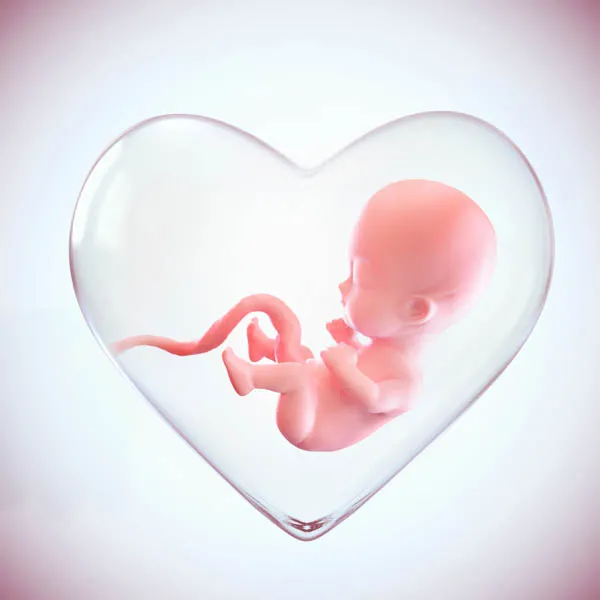
Stages of pregnancy- how does the baby’s development proceed?
A physiological pregnancy lasts 40 weeks, or 280 days. It is divided into 3 stages-trimesters. Each is unique and characterized by different well-being of the mother-to-be and possible complications. Depending on the stage of pregnancy, the mandatory tests are also different. How does the baby develop in the subsequent trimesters and when is a pregnancy considered to be delivered?

Glucose load test in pregnancy. Testing, results, standards
Glucose in pregnancy is tested at least twice. The glucose load test in pregnancy is used to diagnose gestational diabetes - a dangerous disease for the health of the pregnant woman and baby. How to prepare for the test and perform the blood glucose test correctly?
Monural in pregnancy
Urinary tract infections occur in many pregnant women. This is due to the physiological changes that occur in the body of the mother-to-be. One of the drugs used for this type of infection is Monural. How does it work and can it be used safely during pregnancy?

Stomach pain in pregnancy
Stomach pain for anyone is nothing pleasant. It is particularly troublesome when it occurs during pregnancy, when a woman often struggles with other ailments in addition. What are the ways to deal with stomach pain in pregnancy and what are the causes in each trimester?

Heviran during pregnancy
Herpes labialis, often called 'cold sores,' is a common problem affecting many people. It is believed that more than 80% of the population is a carrier of herpes. There are many preparations available on the market to accelerate its healing. Check if Heviran is safe for pregnant women.

Zinnat during pregnancy
During pregnancy, many drugs are contraindicated. For this reason, pregnant women have concerns about the use of antibiotics during this period, but sometimes it is unavoidable. What is Zinnat and is it safe to use during pregnancy?

Back pain during pregnancy – causes, exercises and home remedies
Pregnancy back pain is caused by back strain and changes in the posture of the pregnant woman. Unpleasant discomforts intensify with each month of pregnancy, sometimes so much so that they impede daily activities. Therefore, every mom-to-be should know how to deal with back pain during pregnancy.
Back pain in pregnancy is one of the most common pregnancy complaints. It is reported by 50-70% of women at least once in 9 months. Ailments can occur at any stage of pregnancy, but they can be most severe in the second and third trimesters. Women who struggle with poor posture, are overweight or do not engage in physical activity are particularly prone to their occurrence.
Causes of back pain during pregnancy
Spinal pain in pregnancy can affect any segment. Most often, however, women complain of pain in the lumbar and thoracic spine. It also happens that the pain radiates to the hand or to the buttock, groin, thigh or calf, making daily functioning much more difficult. The causes of back pain during pregnancy are primarily related to changes in the pregnant woman’s body.
Back pain in early pregnancy is caused by the effects of pregnancy hormones on the pelvis and uterine ligaments. Both structures undergo gradual “stretching, which is supposed to prepare a woman’s body for childbirth. Spinal pain in the first trimester of pregnancy primarily affects the sacral and lumbar regions, and often radiates to the hips and groin.
Back pain in the second and third trimesters of pregnancy is associated with a change in posture and center of gravity. The enlarging abdomen and breasts force the pelvis and shoulders forward. This causes excessive strain and constant tension on the back muscles, which manifests itself in pain after a while. Another cause of back pain is extra pounds (up to a dozen during pregnancy).
Spinal pain in pregnancy can also be one of the symptoms of urinary tract infection or preterm labor. Then the discomfort is very strong and accompanied by additional symptoms.
Back pain before childbirth
Spinal pain before childbirth is caused by intense stretching of the uterine skeletal and cartilaginous system, its ligaments and the lower spine. This allows the baby to squeeze through the birth canal. Relaxin, a hormone secreted during the third trimester of pregnancy, is responsible for this condition.
Spinal pain at the end of pregnancy can be a sign of labor beginning. If it intensifies and is accompanied by uterine contractions that become more frequent and regular, notify the attending physician and go to the hospital.
Read also: 30 weeks of pregnancy – belly size. Which month is it?

When is back pain in pregnancy dangerous?
Back pain in pregnancy can be dangerous when it steadily increases or is accompanied by other symptoms:
- abdominal pain,
- Nausea and vomiting,
- bleeding from the genital tract,
- blotting,
- uterine contractions,
- fever.
In such a case, it is always necessary to go to the hospital emergency department for testing. Back pain during pregnancy can be a sign of infection, miscarriage or premature labor.
Ways to deal with back pain during pregnancy
Many moms-to-be wonder how to relieve the strain on the spine during pregnancy and alleviate unpleasant discomforts. As a first step, it’s a good idea to change your position, which will reduce muscle tension. If the back pain persists, it is worth trying other methods. Effective ways to treat back pain in pregnancy are:
- warm shower,
- Gentle back massage,
- relaxation methods,
- relaxation exercises,
- physiotherapy treatments.
Exercises for back pain in pregnancy can be done independently at home or under the guidance of a physiotherapist. Particularly recommended are cat back, gymnastics with a ball, gentle bends and yoga for pregnant women. They are safe for the fetus. Exercises for back pain during pregnancy relieve discomfort and help prevent it.
See also: What is sciatica in pregnancy and how to deal with it?