 Albania
 Bosnia and Herzegovina
 Bulgaria
 Croatia
 Cyprus
 Montenegro
 Czech Republic
 Denmark
 Estonia
 Spain
 Kosovo
 Lithuania
 Latvia
 Luxembourg
 Macedonia
 Germany
 Poland
 Portugal
 Romania
 Serbia
 Slovakia
 Slovenia
 Switzerland
 Sweden
 Turkey
 Hungary
 United Kingdom
 Italy
 UAE
 Hong Kong
 Kuwait
 Lebanon
 South Africa


Pregnant women's
zone
The diagnosis and treatment of autoimmune thyroid disease in pregnancy is a real challenge for doctors. That’s because there is no effective drug to permanently defeat the condition. The thyrotropic hormone administered is treated only as an auxiliary drug. If a woman is under the constant care of an endocrinologist and gynecologist, she has a chance to carry a pregnancy.
Hashimoto’s and pregnancy – why is getting pregnant difficult?
Hashimoto’s disease is an autoimmune disorder, and therefore associated with an impaired immune system. There is no clear cause for its formation. To date, the reason for the appearance of thyroid antibodies in a woman’s body is still unknown. It is only speculated that genetic factors play a big role, as women with a family history of the disease are much more likely to get the disease.
The thyroid gland is an organ that performs a very important function in the body. It produces hormones that affect metabolism and metabolism. They also regulate the heart and nervous system. Disregulation of this gland negatively affects a woman’s fertility. The low amount of hormones produced leads to an increase in another hormone, prolactin, which is responsible for ovulation. Lack of ovulation prevents pregnancy.
Overproduction, in turn, is the cause of miscarriages if a woman develops a pregnancy. Statistically, the risk of losing a baby is twice that of a healthy pregnant woman. Hashimoto’s disease in pregnancy can lead to malformations in the fetus.
Hashimoto’s and pregnancy planning
If a woman has problems ovulating or getting pregnant, or is burdened by a family history of thyroid disease, pregnancy planning should begin with diagnostic tests to evaluate the thyroid gland.
Laboratory tests should also be performed by ladies who are struggling with Hashimoto’s, and getting pregnant is their intention. Thyroid function needs to be regulated by lowering antibody levels.
Pregnancy and Hashimoto’s – what’s next?
The issue of “Hashimoto’s and pregnancy” is still a challenge for doctors. While it is known how to get pregnant with Hashimoto’s, it is still not entirely certain whether it can be maintained. With Hashimoto’s, pregnancy is treated like a foreign body that needs to be expelled. The embryo does not develop, and thyroid antibodies in the mother’s body are to blame. In the early stages of pregnancy, there is little that can be done. In many cases there is a spontaneous miscarriage.
If the pregnancy is developing normally, the woman is advised to take pharmacotherapy after tests, such as:
- ultrasonography (USG) of the thyroid gland,
- TSH – thyrotropic hormone,
- FT3 – triiodothyronine,
- FT4 – thyroxine,
- aTPO – antibodies against thyroid peroxidase,
- aTG – antibodies to thyroglobulin.
The mother-to-be should be under the constant care of an endocrinologist and an attending gynecologist. If necessary, she must take medication from the beginning of pregnancy until delivery. Sometimes also afterwards, as the disease likes to reveal itself only after the solution. Hashimoto’s after pregnancy is very common. It is not known what causes them.
Hashimoto’s treatment in pregnancy
Treatment of Hashimoto’s in pregnancy involves the use of medications that regulate thyroid function. Diet is also very important. A low-carbohydrate diet is recommended for autoimmune thyroiditis. The mom-to-be should avoid gluten-containing products, fatty dairy and bloating vegetables. He can eat meat and vegetables with a low glycemic index without hindrance.
When pregnant with Hashimoto’s, regular checkups are important. According to the recommendations, it should be performed at least once a month until the 26th week of pregnancy. Between 26 and 32 weeks of pregnancy, thyroid tests can be performed only once.
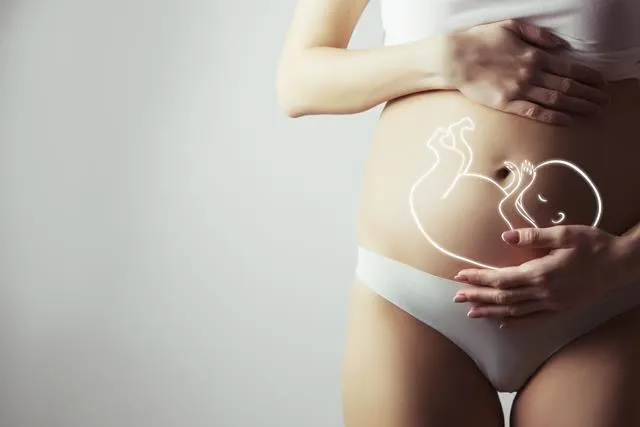
Hashimoto’s and pregnancy. How to get pregnant and have a healthy baby with autoimmune thyroiditis?
Hashimoto's is an autoimmune thyroid disease of unknown etiology. In women struggling with this condition, conception and delivery of a pregnancy is difficult. To this day, it is not known why the female body treats the embryo as a foreign body and destroys it. Current medicine allows women with Hashimoto's to get pregnant and give birth to a healthy baby.

Sciatica in pregnancy. How to deal with pain complaints?
Sciatica is an acute back pain that occurs intermittently. Ailments of this type during pregnancy are a common occurrence. They are caused by hormonal changes in the woman's body and the increasing weight of the baby. Improperly treated sciatica in pregnancy can be an indication for a cesarean section.

Clotrimazolum and pregnancy – can the drug be used?
Clotrimazolum is an antifungal drug, very often used for vaginal infections. Drugs with clotrimazole are also available at the pharmacy without a prescription. Nevertheless, before using them, always read the package insert, especially the drug's contraindications. Antifungal cream is not recommended for pregnant women unless the doctor decides otherwise. When can it be used and are there other medications available for vaginal candidiasis?

How to relieve tailbone pain during pregnancy? Home remedies
Tailbone pain is one of the more common problems complained of by mothers-to-be. It can have many causes. Usually the reason is a tailbone injury, but during pregnancy, changes in the body, which is beginning to prepare for childbirth, are also responsible for it. What else causes tailbone pain and how to deal with it with home remedies?
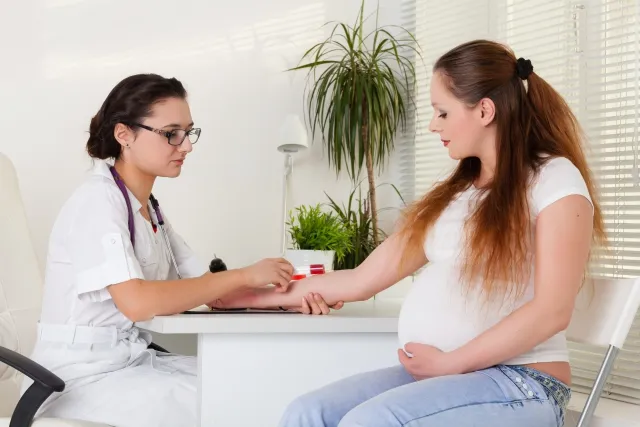
Ketones in urine during pregnancy – causes and effects
The presence of ketone bodies in the urine of pregnant women may be due to dietary errors. Trace amounts also appear due to physical exertion. Significant urinary ketones in pregnant women can also be a symptom of diabetes. What causes the appearance of ketone bodies? What are the effects of this condition and how is the treatment?
Lutein in pregnancy
What does genetic testing consist of? Types of genetic tests for children
One of the cutting-edge genetic tests is PlumCare DNA Advisor. It allows early detection of predisposition to about 300 severe genetic diseases - mainly metabolic disorders, cardiovascular conditions and oncology. This provides an opportunity to implement preventive measures and appropriate treatment. This type of genetic test can be performed by anyone. All you have to do is apply to the Polish Stem Cell Bank.
Hematoma in pregnancy
A hematoma in pregnancy, depending on its location, can pose a potential threat to the course of pregnancy. Therefore, it is important to make a timely diagnosis and implement a course of action to protect both the well-being of the fetus and the health of the mother-to-be. What is a hematoma in pregnancy and what is its treatment?
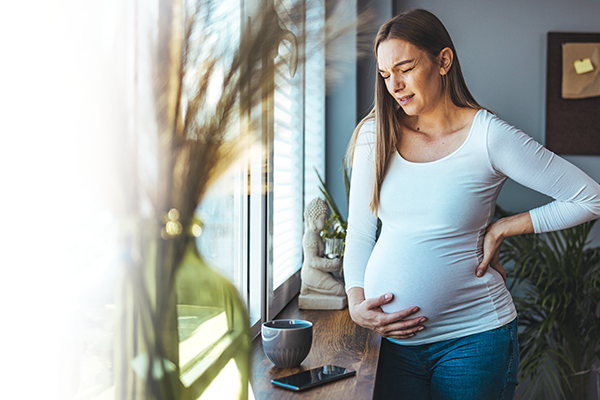
Lower abdominal pain and pregnancy. What does lower abdominal pain in pregnancy mean and when is it a cause for concern?
Emerging lower abdominal pain in pregnancy, depending on the stage of pregnancy, may have different causes and nature. As a rule, it is the result of physiological changes occurring in a woman's body, but it can also be a symptom of urinary or digestive disorders, as well as a symptom of miscarriage, especially in the first weeks of pregnancy.
Pulling belly during pregnancy while walking – is it a cause for concern?
Lower abdominal pain in pregnancy is almost always considered by women to be a sign of danger and a cause for concern. Some pregnant women identify the emerging pain with miscarriage. However, sudden abdominal pain in pregnancy is a fairly common ailment and is not always associated with an immediate threat to the woman or the developing baby in the womb.
Pulling in the pit of the abdomen at the beginning of pregnancy is completely normal and is usually no cause for concern. However, there are times when pains should be consulted immediately with a doctor. The reason for concern may be abdominal pain accompanied by such symptoms as:
- Spotting or bleeding,
- intense discharge,
- Pain during bowel movements,
- Vomiting and nausea,
- Fevers and chills,
- Dizziness or fainting.
What causes the pulling sensation in the abdomen during pregnancy?
Among the causes of abdominal pulling and pain in pregnancy, you can find factors that will directly affect the course of pregnancy. We are talking about such problems as:
ectopic pregnancy
– if the egg cell nests outside the uterus, a woman may experience severe cramping combined with spotting or pelvic pain during the first weeks of pregnancy,- Miscarriage – in the first 20. weeks of pregnancy, miscarriage is accompanied by bleeding and severe abdominal pain radiating to the lower back,
- Premature labor – lower abdominal pain can result from contractions and cervical dilation,
- Premature separation of the placenta – accompanying symptoms then are back pain, abdominal stabbing, cramping and tenderness of the uterus,
Abdominal pain in pregnancy – causes unrelated to the upcoming birth
Stabbing abdominal pain in pregnancy may not always be a direct result of the baby’s development in the womb. Many times a pregnant woman may experience ailments during pregnancy that are completely unrelated to her condition, but to other disease processes going on in her body. Other causes of abdominal pain that have a non-gynecological basis include:
- stomach flu,
- appendicitis,
- cholecystitis,
- Pancreatitis or hepatitis,
- viral gastroenteritis,
- Intestinal obstruction or irritable bowel syndrome,
- kidney stones,
- food poisoning.
These conditions may be accompanied by vomiting, diarrhea and nausea. In addition to this, lower abdominal pain during pregnancy can also be the result of abnormalities in the urinary tract. The inflammation going on there usually manifests itself in the form of discomfort over the pubic conjunctiva. A woman may experience bladder discomfort in the form of: urgency, frequent urination or burning.
Lower abdominal pain at the beginning of pregnancy
Lower abdominal pain in early pregnancy occurs with the rapid changes taking place in a woman’s body. The rapidly growing fetus needs more and more space, so the size of the uterus increases, which gradually begins to exert pressure on neighboring organs, such as the bladder. Swollen reproductive organs can cause:
- A feeling of abdominal fullness,
- Gentle uterine contractions,
- groin pains,
- Generalized pain throughout the lower abdomen.
However, lower abdominal pain in the first weeks of pregnancy can be a worrisome symptom when accompanied by bleeding or spotting. At this time there is the greatest risk of miscarriage. So don’t take such symptoms lightly, but visit a specialist immediately. The characteristic stabbing abdomen in pregnancy can also be the result of conditions from the gastrointestinal or urinary tract, such as intestinal disorders, appendicitis or intestinal colic. In this case, too, medical intervention is needed to enable proper diagnosis and effective treatment.
Lower abdominal pain in pregnancy – 2. trimester
Pain in the sacrum and lower abdomen during pregnancy during the second trimester becomes more troublesome and definitely more frequent. This is primarily the result of the uterus stretching in response to the rapid growth of the baby in the womb. Toward the end of this trimester, a woman may begin to feel the baby’s movements, which can also contribute to pain.
If lower abdominal pain is associated with hardening and increased abdominal tenderness, it may be the result of placental detachment. This is a condition that can cause hypoxia and even death of the child. Such symptoms should be consulted immediately with a specialist. Discomfort in the lower abdomen due to pain can also occur during sudden changes in position, sneezing, laughing or coughing. It is worthwhile during this period to strengthen the abdominal muscles, rest and properly hydrate the body.
Lower abdominal pain in pregnancy – 3. trimester
During the third trimester of pregnancy, there is still a risk of placental detachment. In addition, between 7. and the 8th month may experience predictive contractions (Braxton-Hicks). This is a perfectly normal phenomenon, a consequence of the decreasing amount of space in the uterus. The abdominal cramps felt during pregnancy intensify as the baby grows and labor approaches.
Pre-eclampsia can also develop in the second half of pregnancy, characterized by elevated blood pressure and the presence of protein in the urine, causing lower abdominal pain. Pre-eclampsia is also associated with the presence of swelling of the face, feet and hands, headaches, as well as vision problems, shortness of breath and vomiting. Before the 37th week of pregnancy, that is, moments before delivery, lower abdominal pains can be definitely more frequent and painful – the body is thus preparing for the birth of the baby.
Pain in the lower abdomen – when to see a doctor?
Every pregnant woman should observe her body with special attention, and consult a specialist right away about any worrying signals, especially when:
- epigastric pain is accompanied by other symptoms, such as bleeding or diarrhea,
- The pains are spasmodic in nature and occur regularly,
- The abdomen is hard and tender.
How to deal with belly pulling during pregnancy?
Although the pulling sensation in the abdomen may recur at times, the pregnant woman must remember that no diastolic, antiemetic or pain medication should be used on its own. If your abdominal pain while walking and other activities is difficult to bear, it is best to visit your pregnancy doctor. Only a specialist should decide on medications to relieve symptoms.
When a woman has suffered from gastritis or peptic ulcer disease before pregnancy, lower abdominal pain can get worse, but there are several safe ways to deal with it. Above all, an easily digestible diet, drinking plenty of non-carbonated water, and increasing the amount of fruits and vegetables consumed are advisable.
Lower abdominal pain in pregnancy – basic information in a nutshell
Abdominal pulling in pregnancy can occur with other accompanying symptoms, in specific areas of the abdomen, as well as during specific activities. For this reason, we can talk about several types of lower abdominal pain.
- Pulling the pregnant belly when walking – the weight of the baby can cause discomfort if it is low in the uterus. In this case, a stinging sensation in the vagina may also be felt. If the baby’s position is the only cause of pain, it is enough to limit excessive exertion and spend more time lying down and resting.
- Lower abdominal pain in pregnancy combined with sacral and back pain – in this case, pains can be a natural symptom of uterine stretching and occur most often in the second trimester of pregnancy. Occasional pain is like a normal symptom, but if the discomfort becomes very bothersome, it is necessary to contact a doctor, as the condition can threaten health.
- Lower abdominal pain on the left (or right) side in pregnancy – lower abdominal pain aggravated on only one side is most often the result of the pelvic ligaments being stressed by the growing fetus. The complaints are particularly w 2. and the 3rd trimester of pregnancy, but the pain may not subside until after delivery.
FAQ:
- Pulling belly during pregnancy while walking what causes?
The causes of abdominal pain in pregnancy can be of various origins, both gynecological and unrelated to pregnancy, most often of gastroenterological origin. Non-serious causes of abdominal pain are usually the baby’s movements and growth. On the other hand, stabbing lower abdominal pain combined with spotting or bleeding can be the result of serious problems.
- When to see a doctor with lower abdominal pain in pregnancy?
If abdominal pain or pulling during walking and other activities persists for a long time, the symptoms should not be ignored and you should immediately see a doctor. A visit to a specialist should also be made when pains are accompanied by other worrisome symptoms that were not present before.
- Is pregnant belly pulling while walking a cause for concern?
When the abdomen hurts at the beginning of pregnancy, it is not usually a cause for concern. Abdominal pulling is a perfectly normal symptom and related to fetal development. However, a pregnant woman should start worrying when problems such as vomiting, trouble having a bowel movement, or fainting and dizziness begin to appear along with the pain.