 Albania
 Bosnia and Herzegovina
 Bulgaria
 Croatia
 Cyprus
 Montenegro
 Czech Republic
 Denmark
 Estonia
 Spain
 Kosovo
 Lithuania
 Latvia
 Luxembourg
 Macedonia
 Germany
 Poland
 Portugal
 Romania
 Serbia
 Slovakia
 Slovenia
 Switzerland
 Sweden
 Turkey
 Hungary
 United Kingdom
 Italy
 UAE
 Hong Kong
 Kuwait
 Lebanon
 South Africa


Pregnant women's
zone
Stem cell therapy, which is derived from umbilical cord blood, is an established treatment method. Its effectiveness is confirmed by numerous studies and years of practice. It is used to treat birth defects and severe diseases, including cancer. Cord blood can be stored for many years – until it is needed or until the contract is terminated. Previous experience shows that time has no effect on its properties.
Cord blood banking
Cord blood banking is a way to safeguard the health and life of your child. Thanks to stem cells that are taken at birth, therapeutic options for contracting serious diseases are increased. Today it is known that cord blood can be used to treat 80 diseases, such therapy has real benefits and prolongs health and life.
People whose cord blood is stored in a stem cell bank do not have to waste valuable time searching for a stem cell donor. Sometimes the process takes weeks, and it is important to realize that the sooner appropriate therapy is implemented, the better the chances of a complete recovery. Cord blood also has a greater ability to regenerate and causes fewer complications.
How much does it cost to store cord blood?
The price of cord blood banking varies depending on the package selected, and the fees are divided into 3 convenient payment stages. Prior to delivery, a one-time upfront fee is paid, starting at £259 (depending on the package) for the retrieval kit, retrieval cost and transportation. Then 2 months after delivery a fee is paid for testing, freezing and preparing the stem cells for storage. Importantly, this fee can be paid in convenient 10 installments starting from 285 PLN, making the cost imperceptible to the household budget. Then once a year, on each child’s birthday, an annual storage fee is paid, starting from 55 PLN per month (depending on the package). Detailed information on the price of cord blood stem cell collection and storage is available here: https://www.pbkm.pl/oferta/cena-pobrania-i-przechowywania-komorek-macierzystych
Is cord blood banking expensive?
At first, it may seem that the price for cord blood banking is high. However, it is worth taking into account that Parents incur annual costs, which on a monthly basis are small. They can be fully covered, for example, by the 500+ benefit.
It’s also worth considering cord blood banking as part of your layette. You can forgo the purchase of a more expensive stroller, car seat and additional gadgets in favor of safeguarding the health and life of the toddler. Gadgets cease to be useful after just a few months. Stem cells can be stored and used even after several years of storage. This outlook makes cord blood banking a good investment and is not as expensive as it seems.
Storing cord blood for free
Free stem cell collection and storage is available only to those who have chosen to donate the material collected from their child to charity – for the treatment of unrelated individuals. This is the so-called. public banking of cord blood.
The cost of cord blood banking is also waived if you join the Donation to the Rescue program. Parents who have a seriously ill child can choose to have stem cells collected at the birth of their next offspring and donate the blood for treatment. They only incur storage fees when banking for more than a year.

How much does it really cost to store cord blood?
At first, the cost of banking stem cells from a baby's cord blood may seem high. However, after carefully reading the offer and customizing it, it turns out that the price for safeguarding the health of a toddler is not at all as high as it might seem at first.

Sleeping during pregnancy. Which sleeping positions during pregnancy are safe?
Sometimes finding a comfortable sleeping position during pregnancy can be difficult. This is not made easier by a growing belly or some pregnancy ailments: painful calf cramps, difficulty breathing or back pain. It is also worth remembering that not all sleeping positions during pregnancy are recommended. What items are being referred to? How to make sleep productive? These and other questions will be answered in this article!

Is it okay to take the drug No-Spa during pregnancy? What are the indications?
Many moms-to-be wonder whether No-Spa during pregnancy can be used. It is not advisable to take this product unless there is a clear indication to do so. It is also a good idea to consult a doctor beforehand. See when you can take diastolic medications during pregnancy.

What stretch mark cream for pregnancy will work best?
Stretch marks in pregnant women are a common affliction associated with changes in body shape and an increase in certain hormones. However, the mother-to-be should remember that they remain forever. Therefore, it is necessary to properly care for the skin throughout pregnancy. See what cosmetics for stretch marks for pregnant women are worth using.

Magnesium in pregnancy – what are the consequences of its deficiency?
Many moms-to-be wonder whether it is necessary to supplement magnesium during pregnancy. It is worth remembering that a deficiency of this element leads to a number of disorders. It is dangerous for the pregnant woman and her baby. Find out how much magnesium a pregnant woman's body needs.
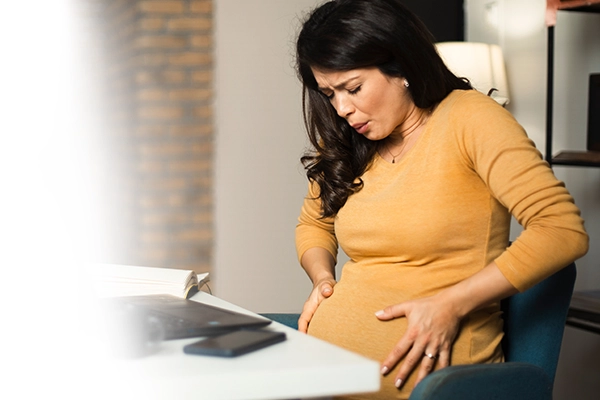
Birth contractions – what is worth knowing about them?
Labor contractions are the symptom that every mother-to-be is waiting for. It means that in just a few hours she will be able to hold her baby in her arms. However, it is worth remembering that not every uterine contraction activity precedes labor. See what characterizes labor contractions.

Stress in pregnancy – ways to deal with the enemy
Stress during pregnancy is like a constant bombardment for the fetus. Stress hormones from the corticosteroid group and catecholamines - cortisol or adrenaline - are secreted in the blood of a stressed woman. The impact of stress on pregnancy is felt most acutely by the baby being carried under the heart.

Baby shower – what is it and when to hold such a party?
A baby shower is a type of party to celebrate the imminent birth of a child. The organization of a baby shower usually falls on the shoulders of friends and immediate family of the mother-to-be, as the celebration takes place a few months/weeks before the termination of the pregnancy. The meeting is usually attended only by women.

What foods should be excluded from a pregnant woman’s diet?
Pregnancy is the period when a human being develops from a fertilized egg cell. Most of what a woman eats and drinks is transported in varying concentrations with her blood through the umbilical cord to the fetus. Because of this, it is important to adjust the diet so that it is safest for the child.
Pregnancy is a 40-week period, with a tolerance range of two weeks in either direction. During this time, an embryo is formed from the fertilized egg, from which, after implantation in the uterus, a small human being gradually develops. The fetus makes contact with the mother’s body through the umbilical cord. The blood flowing in it transports nutrients from the mother’s body. Pregnancy can take different courses, sometimes a woman feels well until the actual solution, sometimes she experiences significant discomfort from the beginning of pregnancy. Very popular are the so-called. Pregnancy cravings, i.e. a sudden desire to eat a particular product or a combination of seemingly incompatible products. However, not all ingredients are healthy for the baby, and knowing what not to eat during pregnancy is extremely important for moms-to-be.
What is not to drink during pregnancy?
During fetal development, it is important not only what you can’t eat during pregnancy, but also what you can’t drink. Of course, the first ingredient that should be excluded is alcohol in any form. Ethanol easily penetrates the blood and is transported to the fetus through the umbilical cord. The baby’s body cannot metabolize it, and as a result it is a toxin, poisoning its body. To protect the baby from the harmful effects of alcohol, abstinence should be maintained throughout the pregnancy. Regular consumption of alcohol by a pregnant woman is the cause of fetal alcohol syndrome (FAS), the symptoms of which are low birth weight, craniofacial defects, nerve cell damage, and developmental delay.
In addition to alcohol, it is not advisable to drink sweetened carbonated drinks during pregnancy . They are a source of sugar, plus they contain artificial colors and preservatives. Some may also have caffeine and taurine in the formulation. Such drinks increase glucose concentrations in the body, and do not provide any nutritional value.
What shouldn’t you eat during pregnancy?
Knowing what not to eat during pregnancy is very important, as some products can harm the developing baby.
Fast food dishes should be excluded from the diet . They contain a lot of fats and are often prepared with average or low-quality products. They provide many calories, but have no nutritional value. You should also limit sweets, which contain a great deal of sugar and artificial substances. They can contribute to excessive weight gain in women, and they do not provide nutrients.
Completely exclude from the diet all kinds of mold, ripened cheese and feta – they can be a source of a disease called listeriosis. Raw meat and eggs are also banned. Meat can be a source of toxoplasmosis and listeriosis, diseases that cause premature births and many developmental defects in newborns. Bacteria leading to salmonella, the development of which in pregnancy also carries risks, may be present in raw eggs.
In addition, highly processed products are not recommended, as they contain many preservatives that are dangerous to a child’s development.
What can you eat during pregnancy and what to avoid?
A mother-to-be throughout the waiting period should be aware of what can be eaten during pregnancy and what to avoid. There are several foods and dishes that are not absolutely forbidden, but should be taken with caution and relatively infrequently. These include liver, peanuts (they may contain aflatoxins that can damage the fetus), coffee and strong tea (they can cause fetal heart disorders), grilled and smoked products (a lot of salt is usually used in their preparation, moreover, many harmful substances are contained in the smoke).
What fish not to eat during pregnancy?
Fish are valuable products, a source of omega-3 polyunsaturated fatty acids, protein, iodine and vitamin D. However, the increasing pollution of the environment makes it increasingly difficult to find healthy and valuable fish. Hence, it is important to know which fish not to eat during pregnancy. Certainly raw fish should not be eaten, that is, for a period of nine months it is necessary to exclude sushi from the diet. Seafood is also not advisable. In addition, large and predatory fish (swordfish, tuna, king mackerel) should be avoided, as they feed on smaller creatures, thus further accumulating pollutants and heavy metals. These compounds can cause damage to the baby’s nervous system.
What fruits should you not eat during pregnancy?
Fruits are a healthy addition to the diet, as they contain many vitamins. Above all, remember to wash fruits and vegetables thoroughly to remove as many chemicals as possible that are on their surface. Exotic fruits are not advisable, strawberries and citrus should be treated with caution – they can be allergenic and cause allergic reactions.