 Albania
 Bosnia and Herzegovina
 Bulgaria
 Croatia
 Cyprus
 Montenegro
 Czech Republic
 Denmark
 Estonia
 Spain
 Kosovo
 Lithuania
 Latvia
 Luxembourg
 Macedonia
 Germany
 Poland
 Portugal
 Romania
 Serbia
 Slovakia
 Slovenia
 Switzerland
 Sweden
 Turkey
 Hungary
 United Kingdom
 Italy
 UAE
 Hong Kong
 Kuwait
 Lebanon
 South Africa


Pregnant women's
zone
Properties of tissue stem cells from placenta
During delivery, in addition to hematopoietic stem cells from umbilical cord blood, it is also possible to obtain tissue stem cells. These are contained in the umbilical cord and placenta. These cells, called mesenchymal stem cells, can transform into, among other things: cartilage tissue, bone tissue or nerve tissue. Thanks to their valuable properties, they have applications in regenerative medicine.
Securing both the umbilical cord and placenta during delivery significantly expands the range of therapies that the family can use in the future, if needed.
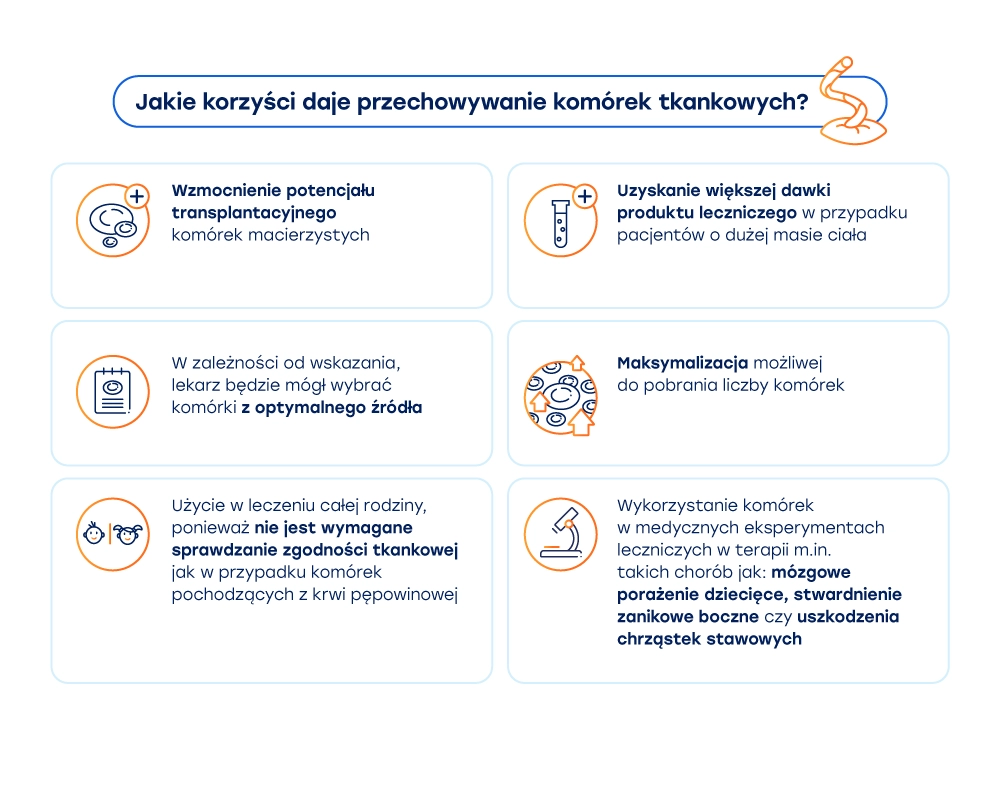
Tissue stem cells from the umbilical cord and placenta can benefit the child from whom they were collected, siblings, as well as Parents and Grandparents (provided that they are HLA tissue compatible).
What does the placenta retrieval look like?
Placenta collection is only available at the Polish Stem Cell Bank, with the Platinum variant.
Parents, after signing the contract, receive a special collection kit, with which they go to the delivery room, where a trained midwife, after collecting cord blood, umbilical cord at the end, collects the placenta and places it in a special container with saline.
The collection set is then transported to the central laboratory of the Polish Stem Cell Bank in Warsaw, where, among other things. Placental tissues are examined and prepared, and then frozen. The material is stored indefinitely in liquid nitrogen vapor at temperatures below 176 degrees Celsius.
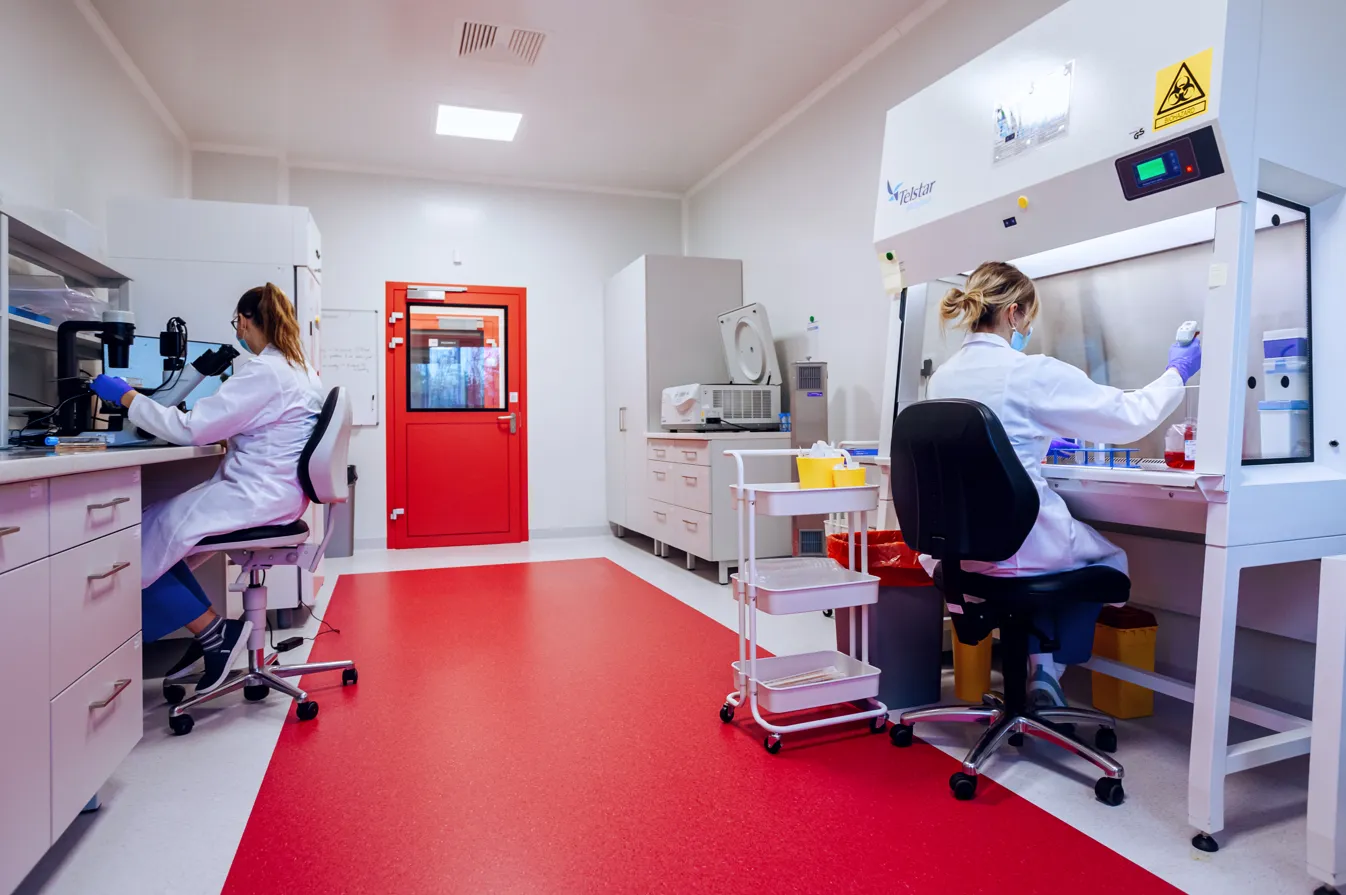
Stem cell harvesting from the placenta during childbirth is now available in Poland
In Poland, banking of hematopoietic stem cells from cord blood and tissue stem cells from the umbilical cord has been available for many years. From April 2024, Parents expecting the birth of a child can also secure the entire placenta. Otherwise, it is disposed of irretrievably by the hospital. However, priceless stem cells are lost along with it.
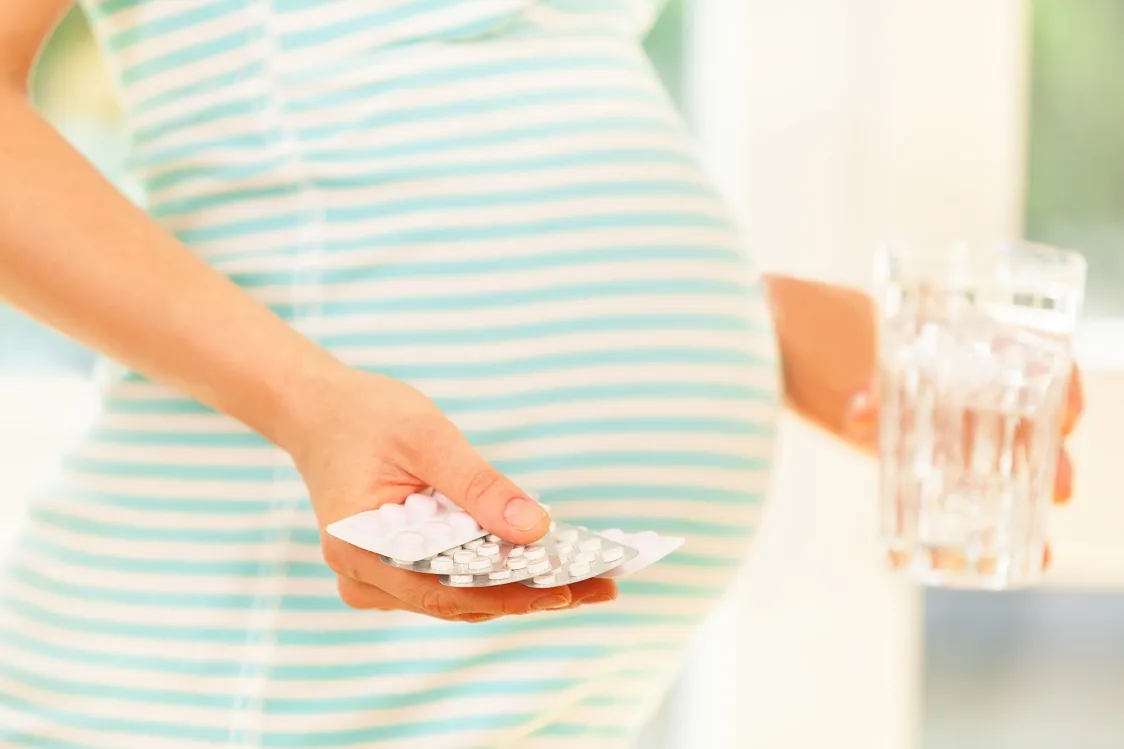
Sedative drugs in pregnancy
Pregnancy time is a period of many changes for the mother-to-be. For this reason, many pregnant women feel anxious and fearful about the condition. In some situations, non-pharmacological methods such as sleep and rest are sufficient in alleviating psychosomatic symptoms, while in others it is necessary to implement treatment. Is it okay to take tranquilizers during pregnancy?
Genetic testing before pregnancy
Many couples start preparing for pregnancy long before it happens. Some people opt for genetic testing before pregnancy. Are they necessary in all couples? What is their cost?

Zuravit during pregnancy
Urinary tract infections are a common affliction of pregnant women. Since many medications cannot be used during this period, mothers-to-be turn to natural products. Among those recommended for acting on the urinary tract is cranberry, found in the composition of the product Zuravit.

Folic acid in pregnancy – why and how to take it
Folic acid in pregnancy is crucial for the development of the fetal nervous system. Few women know one should take folic acid before pregnancy because it facilitates conception. Unfortunately, the mother's body is unable to produce this vitamin on its own, so it must be supplemented.

Myths about cord blood preservation

Cosmetics for pregnant women – how to safely care for the skin during pregnancy?
Pregnancy cosmetics help in the fight against stretch marks appearing on the thighs and abdomen. Dynamic hormonal fluctuations cause not only the figure, but also the skin of a woman to change drastically. Safe cosmetics during pregnancy help deal with its unsightly consequences.
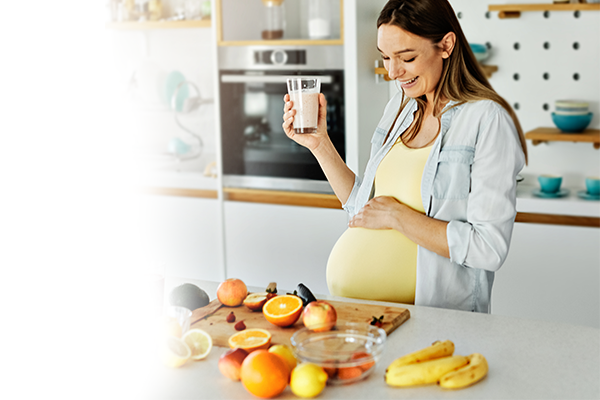
Pregnancy diet – products safe for mother and baby
A balanced diet during pregnancy is a priority for a pregnant woman to enjoy full health and ensure the proper development of the baby. It's a good idea to plan a healthy diet in advance, eliminating ingredients that can sensitize or aggravate pregnancy discomforts. What to eat during pregnancy, and what foods to avoid? It's a good idea to consult with your health care provider about your daily menu.

Tanning during pregnancy – is it safe?
Tanning during pregnancy is not prohibited, as long as the mother-to-be approaches it with reason and moderation. During pregnancy, the skin is more delicate and lack of proper protective products can result in burning, and prolonged exposure to the sun can result in dehydration. Popular among women, other methods of obtaining a beautiful tan are not recommended. The substances they contain may pose a risk to the fetus.
According to experts, sensible tanning during pregnancy can work positively for both mom and baby. Enjoying the sun increases the amount of vitamin D3, which stimulates pregnant women, prevents depression and is involved in bone building. In women who used the sun during pregnancy, the phenomenon of osteoporosis was less common. How else can you tan while pregnant?
Is it okay to tan while pregnant?
The issue of “pregnancy and tanning” is still a contentious topic, although the use of the sun during this period is not actually prohibited. Sunbathing during pregnancy is possible if the mother-to-be takes care to properly protect her skin and exercise moderation in basking in the sun. Mindless sunbathing is not only for pregnant women, it can end tragically. In non-pregnant women, the consequences can be just as serious.
Many doctors say that tanning during pregnancy is not advisable. Why? In pregnant women, as a result of hormonal changes in the body, the skin becomes more sensitive to ultraviolet radiation and without proper protection can quickly burn. In addition, unsightly discoloration can develop on the skin, so pregnant women should not be in the sun between 11 am and 4 pm, when the sun is roasting the hardest.
Tanning during pregnancy is also not recommended for another reason. Under the influence of heat, a pregnant woman’s blood vessels dilate, so prolonged exposure to the sun will result in the appearance of spider veins on the skin or sudden bleeding from the genital tract. Therefore, a woman should refrain from sunbathing during the first trimester of pregnancy. The result of overheating is dehydration, which can contribute to miscarriage or premature labor.
So is it okay to tan while pregnant? Yes, but only at the right times, with sunscreen 50 and with proper hydration. The tummy should also be covered. Tanning the abdomen during pregnancy is not advisable.
Pregnancy and tanning – self-tanners and spray tanning
Self-tanner during pregnancy is absolutely prohibited. The reason for the ban is the presence in its composition of dihydroacetone, an organic compound that gives the skin a nice brown tint. Many researchers believe that its molecules are too large to penetrate the blood of mother and child, but no studies have been conducted to confirm this theory. Using self-tanner during pregnancy is risky. It is better to give it up and use the natural sun.
The spray method of getting a beautiful tan can be just as harmful. Spray tanning during pregnancy is strongly contraindicated. There are a number of toxic chemicals in the formulation of preparations for this purpose. In a woman who is not pregnant, they can cause difficulties in conception, and in pregnant women, they increase the risk of malformations in the baby. Inhalation of fumes when performing spray tanning during pregnancy is unavoidable.
Tanning during pregnancy vs. tanning beds
Until quite recently, it was claimed that tanning during pregnancy while in a tanning bed was a very bad idea, and that ultraviolet radiation is harmful to the skin and dangerous for the baby. However, after many studies, it was recognized that negative consequences are possible if a pregnant woman uses artificial sun in an unreasonable way.
According to English scientists, sunbathing under solar lamps during pregnancy significantly increases vitamin D levels in the baby’s body. The theory was proven by studying a group of pregnant women who attended tanning beds in the last weeks before giving birth.
Tanning during pregnancy in a tanning bed is not prohibited, as long as you use it with moderation and common sense. The power of the lamps should not be too high, and the tanning time should not be longer than a few minutes.
Only sunbathing during the first trimester of pregnancy is prohibited, as UV rays can reduce the absorption of folic acid. It is very much needed, especially at the beginning of pregnancy, when the baby’s organs and nervous system are being formed.
Moms who struggle with high blood pressure during pregnancy should also not use tanning beds. The heat emitted by the lamps raises the pressure. The result can be the detachment of the placenta and hypoxia of the baby.