 Albania
 Bosnia and Herzegovina
 Bulgaria
 Croatia
 Cyprus
 Montenegro
 Czech Republic
 Denmark
 Estonia
 Spain
 Kosovo
 Lithuania
 Latvia
 Luxembourg
 Macedonia
 Germany
 Poland
 Portugal
 Romania
 Serbia
 Slovakia
 Slovenia
 Switzerland
 Sweden
 Turkey
 Hungary
 United Kingdom
 Italy
 UAE
 Hong Kong
 Kuwait
 Lebanon
 South Africa


Pregnant women's
zone
The 40th week of pregnancy – what month is it? What happens then?
Being in 40. week of pregnancy, expect to go into labor in the next few days or so. During this period, its first symptoms are likely to appear. Therefore, the movements of the baby may be felt a little weaker, the abdomen becomes tense, and there may be spotting and excessive mucus – its presence is caused by contractions of the cervix, which is also preparing for the arrival of the baby into the world. The insignificant presence of blood in the mucus is not a cause for concern, but a larger amount of blood should prompt the mother-to-be to visit a specialist to perform cardiotocography (KTG) and assess the degree of uterine dilation.
40th week of pregnancy – baby’s movements, weight and development
W 40. Week of pregnancy the baby is fully ready to come into the world and live independently outside the womb. It has developed all organs and systems, a stabilized sucking reflex, and is capable of grasping with its hands. In the womb, it stays in a hunched position. The head usually faces the pelvic floor, which will make it easier to pass through the birth canal. Due to the fact that it measures approx. 50-60 cm and weighs 3 to 4 kilograms, it no longer has enough space to move freely. The toddler’s length and weight are, of course, an individual matter and not a rule. Much also depends on the sex of the child and the height of both parents.
W 40. Week of pregnancy, the baby’s movements may be less noticeable to the woman, but this should not be a cause for concern. However, one should be vigilant and pay attention to the nature of his activity. It is also the case that the toddler becomes restless, so he will then be a little more mobile. It’s a good idea to discuss this with your treating physician. It is also worth remembering that each mother-to-be feels the symptoms of impending labor in an individual way.
40th week of pregnancy belly – what are the changes in your body?
Belly at 40. Week of pregnancy most often and becomes more visible. It changes shape a bit, gets pointy or flared to the sides. Everything depends on the physique of the mother-to-be and the positioning of the baby. Changes in the appearance of the abdomen indicate an imminent solution. When labor is really close, the skin tightens and the abdomen itself gently lowers. This is a sign that the toddler is already positioned for birth. The last week of pregnancy is difficult because the low-set abdomen greatly restricts movement. For this reason, mothers-to-be very often complain about the so-called “bad news. duck walk.
40th week of pregnancy – hard belly
The 40th week and the shaping and size of the abdomen associated with this period not infrequently cause an increased feeling of pressure on the bladder and the need to urinate. In addition, you may experience lower abdominal pain and discomfort in the perineal area. In addition, hardening of the abdomen combined with a slight tightness of the intimate areas is sometimes similar to that occurring before the period. Ailments of this type are completely natural and can be alleviated with light exercise – if, of course, there are no contraindications. Dancing, especially those involving the hips, such as salsa or bachata, also works well for this purpose. Due to the lowering of the abdomen at 40. The week, however, is easier to breathe.
40th week of pregnancy – abdominal pain and labor symptoms
Be aware that not all women experience the same symptoms of impending labor. However, the vast majority of them experience severe pain and uterine cramps – the so-called “uterine contractions”. foretelling. If in 40. week of pregnancy a woman has no symptoms, she should not panic, because many babies are born after the due date. However, if anything causes you concern, contact your primary care physician.
The first signs indicating that the due date is fast approaching can be picked up by a woman as early as a few weeks earlier. Symptoms are usually initiated by pushing the baby’s head against the cervix. This structure begins to open up so that the toddler can squeeze through it freely. Cramps are becoming more severe and much more frequent.
W 40. week of pregnancy, pain in the pit of the abdomen may make itself known with greater intensity than before. It is the result of Braxton-Hicks (premonitory) contractions, which prepare the uterus for the strenuous work of childbirth. It is a good idea to record the frequency of them and the time until the next one appears. If they are not gaining in strength, then there is no reason for concern. This is simply a sign that it is not yet time to give birth. However, as they become stronger by the minute and radiate to the cross, the first stage of the solution has begun.
Other symptoms of labor characteristic of, for example, 40. week of pregnancy
Approaching labor can also herald the departure of the mucus membrane. However, there is no specific time from its expulsion until the actual labor begins. Sometimes the suppository leaves a few hours or days before delivery in the form of spotting or a single thick discharge. Sometimes, on the other hand, it happens only during childbirth. It may have a characteristic mucus color or be colored with blood. Dirty indicates the dilation of the cervix, which during this process damages the small blood vessels located in its area.
The characteristic symptom of labor is certainly the departure of fetal waters. It doesn’t always happen, as the waters often leave only during the birth action. Diarrhea or increased appetite may also occur.

The 40th week of pregnancy – when to the hospital?
W 40. week of pregnancy it is important to recognize the right time to go to the hospital. A key sign that the time has come is regular contractions. When they occur every 10 minutes or so, it is a sign that labor may be approaching. On the other hand, if the contractions become more frequent, for example, every 5 minutes, and the woman feels a strong push, she should go to the hospital as soon as possible.
Another important signal is the departure of fetal waters. This event always requires a quick trip to a medical facility, regardless of the regularity of contractions. Fetal water of an unusual color, such as green or brown, should be especially alarming. Such a color may indicate the presence of meconium, the baby’s first stool. This can be very dangerous.
Remember that every pregnancy is different and it is important for a woman to observe her body and the signals it sends. When in doubt, it is always a good idea to consult your doctor or midwife.
40th week of pregnancy – no contractions and dilation
Even if the mother-to-be is not experiencing the predictive symptoms of pregnancy termination at 40. Week, it is a good idea to go to the hospital on the previously scheduled date of delivery. The baby may require monitoring, so you will probably end up in the pregnancy pathology department. In this case, first of all, KTG, or cardiotocography, is ordered. Its purpose is to check the baby’s heart function. Baby’s heart rate at 40. Week of pregnancy is already usually more steady and clear. You can even hear them without a stethoscope by putting your ear to a woman’s abdomen. Sometimes it may be necessary to induce labor.
Read also: Pregnancy and childbirth in the UK
The 40th week of pregnancy – some tips before delivery
Hard belly at 40. week of pregnancy and other symptoms herald imminent delivery. The end of the third trimester usually ends outpatient care. On the scheduled day of delivery, the mother-to-be should visit the delivery ward of her choice in advance. Due to the fact that natural delivery at term can occur between 38. a 42. week of pregnancy, during this period you should keep a close eye on any discomfort and if in doubt see your doctor.
The 40th week is also the time to finalize preparations for the arrival of the baby into the world. It is also a good idea to take care of your body before giving birth. For this purpose, it is especially not recommended to paint the nails. This is because varnish can adversely affect pulse oximeter readings. It is also not advisable to shave and depilate intimate areas due to the increased risk of infection during labor.
It’s also worth making an important decision at this time regarding cord blood donation and stem cell storage. This is a biological life insurance policy – as it safeguards the health of the child. Among other things, they are used to treat as many as 80 hematological and oncological diseases, and to reconstruct bones, joints or neurons.
40th week of pregnancy – preparing for childbirth
Whether you are facing a natural childbirth or a C-section, proper preparation for labor is key. W 40. The week of pregnancy, it’s a good idea to already have a hospital bag packed for both mom and baby. It should include essential items such as clothes for mom and baby, hygiene products, documents, as well as a few items that can make the hospital stay more pleasant.
If there are no medical contraindications, it is worth taking care of regular physical activity – at 40. The week of pregnancy, walking will work best. Moderate movement can help you feel better and prepare your body for childbirth. Taking care of your own well-being and comfort is also key. This can be, for example, lubricating the body with lotion, which will not only bring relief to tight skin, but also be a moment of relaxation. Eating favorite and healthy meals, can also significantly improve the mood and well-being of the mother-to-be.
Preparation for breastfeeding and the postpartum period
It is also important to prepare for breastfeeding – if you choose to do so. First of all, throughout your pregnancy and after the birth of your baby, you should take care of your mental comfort. Remember that downtime or lactation surges at the very beginning of lactation are normal – it stabilizes even up to a few weeks after delivery. It is also important to find yourself a comfortable place to feed your toddler and to breastfeed your newborn relatively often. There is also the option of a lactation consultant. Specialists are sure to help you with various issues and answer all your questions.
After natural childbirth or cesarean section comes the postpartum period. It usually lasts 6 weeks and is the moment when mom’s body returns to its pre-pregnancy state. Therefore, the uterus begins to contract, which often causes pain. So it’s worth taking special care of your well-being, health and hygiene then.
FAQ
- What in 40. A week of pregnancy means a hard belly?
The 40th week of pregnancy is the time when the abdomen becomes more prominent, pointed or expanded to the sides, depending on the mother’s physique and the baby’s positioning. The skin on the abdomen tightens, and it gently lowers, a sign that the baby has positioned itself for birth. If something causes you concern, be sure to contact your doctor.
- What symptoms can indicate an impending delivery at 40. Week of pregnancy?
During pregnancy, typical symptoms of impending labor include reduced baby activity, a firmer abdomen, spotting, excessive mucus, lower abdominal pain, discomfort in the perineal area, and uterine contractions every approx. 10 or, for example, 5 minutes. The cervix, in turn, is exposed by a mucus plug. The amniotic waters also often pass away.
- Whether in 40. week of pregnancy normal for changes in baby activity?
Child Development at 40. The week of pregnancy is associated with the development of all its systems. During this time, the baby’s movements may be less noticeable due to the limited space in the uterus. However, every mother-to-be should pay attention to the nature of the baby’s activities. If in doubt, consult your doctor, especially around the time of delivery.
- What are the tips for preparing for childbirth at 40. Week of pregnancy?
W 40. During the week of pregnancy, it’s a good idea to have a packed hospital bag for mom and baby, take care of regular walks, and take care of your own well-being and comfort, such as by lubricating your body with lotion and eating your favorite meals. It is also important to prepare for breastfeeding and possibly seek the help of a lactation consultant.
Pregnancy week by week

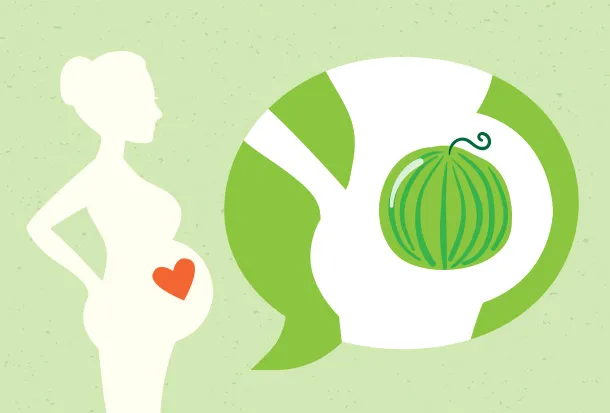
40 week of pregnancy – what changes are taking place in the pregnant belly?
The last week of pregnancy requires vigilance on the part of the mother-to-be. This is because her body is ready for a solution. Typical symptoms of the onset of labor include a reduction in the baby's activity and a much firmer abdomen, which is associated with less space in the uterus and the onset of contractions. 40. The week of pregnancy is the time when the baby is ready to come into the world.
39 weeks of pregnancy – closer and closer to delivery. What is worth knowing?
The 39th week of pregnancy is the last moments before delivery. The birth of a child can occur at any time, so women should be prepared accordingly. A packed bag and a decorated room are just as important as rest and a good mental state for mom. We suggest what pregnancy ailments you should be on the lookout for during this period of pregnancy and what to do to avoid stressing yourself out before the birth.
38 weeks of pregnancy, and the symptoms of labor. How much does the baby weigh and look like?
W 38. Week the pregnancy is considered to be carried to term. The amount of fetal water then decreases, and the abdomen stops enlarging. The baby has less and less room, so moms may complain of discomfort from pressure on the bladder. The baby in the tummy is not as energetic as before, but its presence can cause a number of discomforts that can be troublesome. A woman may be tired of them, but it is a sign for her to start counting down the days until delivery.
37 week of pregnancy – everything you need to know when preparing for childbirth
The 37th week of pregnancy is the time when possible delivery is no longer a threat to the baby's life. It is fully prepared for an independent life outside its mother's belly. During this time, both mother and baby are preparing for the upcoming birth.
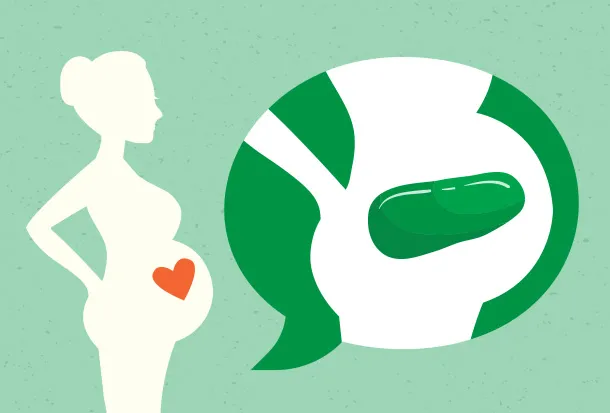
The 34th week of pregnancy – it’s not long now! Toddler development and related ailments
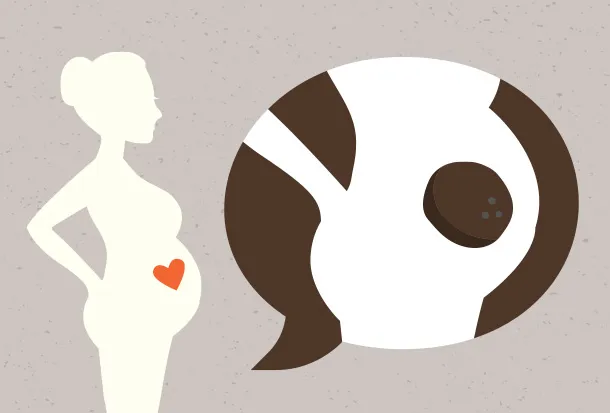
28 weeks of pregnancy. Baby’s movements and weight at 7 months of pregnancy
The 28th week of pregnancy is already the third trimester, which means the last stage of pregnancy. Check how developed the baby is at this time and how the pregnant woman feels. Learn tips for a mom-to-be with really little pregnancy left. Get ready to give birth, have a unique experience and welcome your baby. Right now is the beginning of the seventh month!
32 weeks of pregnancy. Changes in child development and the risk of preterm labor
W 32. Week of pregnancy the toddler is gaining weight. It is already big and heavy. The belly of the mother-to-be also continues to grow, resulting in the appearance of unpleasant discomforts. The whole thing is made up for by the fact that in just a few weeks she will be able to hold her baby in her arms. See how pregnancy progresses in 32. week.
The 31st week of pregnancy – feelings and ailments of the mother-to-be
W 32. Week of pregnancy the toddler is gaining weight. It is already big and heavy. The belly of the mother-to-be also continues to grow, resulting in the appearance of unpleasant discomforts. The whole thing is rewarded by the fact that in a few weeks she will be able to hold her baby in her arms. See how pregnancy progresses in 32. week.
The 25th week of pregnancy – what’s going on with the baby in the belly and how does the mom feel?
Enlarging abdomen at 25. week of pregnancy and further changes in the body make the mother-to-be begin to experience new pregnancy discomforts. She may suffer from back pain, insomnia and increasing fatigue. The toddler is developing very intensively to come into the world in just a dozen weeks. See how pregnancy progresses in 25. week.
W 25. The week of pregnancy the mother-to-be should pay a lot of attention to her own well-being. If health permits, she can remain active. However, it is advisable for her to take special care of her rest. It is worth listening to your body – drops in energy are a signal that it needs intensive recovery. The pregnant woman should also keep an eye on her follow-up appointments. The twenty-fifth week is the right time to test for gestational diabetes.
The 25th week of pregnancy – what month is it?
Moms-to-be who are wondering in which month of pregnancy the 25th falls. week, they should know that it is the end of the 6th. of the month. It’s still the second trimester, but in two weeks the final stage of waiting for the baby will begin. During this period, all changes are noticeable earlier, because the toddler grows very quickly. Each week also increases its chance of survival outside the woman’s body in case of premature birth.
How a child develops at 25. Week of pregnancy?
Child Development at 25. The week of pregnancy is still intense. Internal organs learn their functions. The alveoli in the lungs are multiplying, and the toddler is practicing chest movements. However, it is still too early for this organ to take up the job, should there be an early delivery.
The child’s body is getting stronger, so it can practice new movements. Fatty tissue accumulates under the skin. The skin is getting thicker and turning pink. This is because small blood vessels are beginning to form.
In the brain of a child at 25. The week of pregnancy completes the formation of nerve pathways that carry motor and sensory impulses. The senses are also functioning better and better. The toddler responds to sounds, as well as touching the abdominal layers.
W 25. Week of pregnancy, the baby’s nostrils become unobstructed. As a result, it begins to draw in fetal water through the nose. Such activity is learning to breathe.
Interestingly, the child in 25. Week of pregnancy already has developed vocal cords. Parents-to-be may not hear any sounds, but the toddler is often already making them. In addition, his permanent teeth are emerging.
What is the body length and weight of the child at 25. Week of pregnancy?
The toddler’s body is getting bigger week by week. It becomes longer, but also heavier. The baby’s weight at 25. Week of pregnancy is about 700 g. On the other hand, it measures 22 cm. If the measurement were taken with the length of the lower limbs, the result would already exceed 30 cm.
It is worth remembering that the above parameters for the child’s body length and weight at 25. The weeks are approximate. Toddlers may perform slightly higher or lower. The doctor makes an assessment during the ultrasound examination and always informs Parents if the child’s development is not progressing properly, and makes appropriate recommendations.
The 25th week of pregnancy – the baby’s positioning and movements
W 25. A week of pregnancy, the positioning of the baby in the uterus is arbitrary. The toddler takes the position that is most comfortable for him. He also changes it frequently, as he is very active. He exercises his muscles and the skills he has acquired so far. Only after 32. The week of pregnancy, the baby changes position to the one in which it will be born. It can be cephalic (most desirable), pelvic or transverse (the baby is laid sideways in the uterus).
Baby movements at 25. Week of pregnancy are already more complicated. The toddler can turn around, do flips, wiggle his limbs, straighten and flex, as well as clench his hands into fists and grasp the umbilical cord. Motor activity also occurs in response to various external stimuli. A particularly beloved sound is mom’s voice. It is worth remembering that the child senses her emotions, including the negative ones.
Baby movements at 25. Week of pregnancy are already well felt by the mother-to-be. The toddler has less and less space in the uterus, so any change in position results in bumping against its walls. Although some kicks and punches can be a bit painful, sensing the baby’s movements is a wonderful moment for both Parents.
Interestingly, the baby’s movements are more often sensed by the mother in situations where she is resting. During activity, gentle rocking puts the toddler to sleep. It has also been observed that it has a stimulating effect on the fetus to eat a meal (especially something sweet) – this is related to the increase in blood glucose.
How the body is changing at 25. Week of pregnancy?
Belly at 25. Week of pregnancy is already significantly rounded, and the skin on it is tight. The breasts are also noticeably larger, as milk production by the milk follicles has begun. Food collects in the milk ducts, but sometimes a few drops escape.
Breast and abdominal enlargement in 25. Week of pregnancy results in a change in the figure. The body arranges itself differently to maintain balance. The weight of a woman’s body is also increasing, which can already be felt by the body and cause certain discomforts.
The uterus is very large – its diameter is about 25 cm. Because of this, the arrangement of organs inside the abdominal cavity is changing. They move slightly higher, resulting in pressure on the diaphragm.
The mother-to-be around 25. Week of pregnancy can observe dark spots on the face. It is an ostraca. Its cause is hormonal changes. It disappears within a few weeks after delivery. In addition, the navel flattens or becomes convex.
Mom’s symptoms and feelings in 25. week of pregnancy
W 25. Week of pregnancy new pregnancy complaints appear. They are associated with dynamic changes in a woman’s body. Difficulty breathing, caused by pressure on the diaphragm, can be troublesome. The mother-to-be may also notice that she tires more quickly, and some activities result in the appearance of shortness of breath. It happens that a woman begins to snore. All these discomforts subside after childbirth.
Breathing problems can be caused by hormones. They cause the mucous membranes of the respiratory tract to expand. Because of this, airflow is somewhat impeded.
W 25. The week of pregnancy the mother-to-be may notice a decrease in energy. She is more sleepy during the day. There are also mood swings.
One of the more unpleasant ailments at 25. Week of pregnancy is incontinence, caused by the pressure of the uterus on the bladder, as well as the weakening of the uterine fundus muscles. During exertion, but also when sneezing or coughing, the bladder may partially empty against your will.
W 25. A week of pregnancy, hemorrhoids may appear. These are blood-filled nodules located around the anus. Their cause is an increase in venous pressure due to the pressure of the uterus on the blood vessels. Symptoms include burning and discomfort in the anal area, pain during defecation, mucus or blood in the stool.
Read also:
How to choose cosmetics suitable for pregnant women?
What tests should be performed in the 25th. Week of pregnancy?
The twenty-fifth week of pregnancy is a good time to have a checkup if the mother-to-be has not come in for one before. According to the recommendations of the Polish Gynecological Society at this time are mandatory:
- general survey,
- gynecological examination,
- weight measurement,
- blood pressure measurement,
- general urinalysis,
- pH testing of vaginal secretions,
- fetal heart function test.
A very important study in the 25. Week of pregnancy is an oral glucose load test. It allows the detection of gestational diabetes, which should be properly treated because it poses a risk to the woman and the baby.
Testing for gestational diabetes
Testing for gestational diabetes is referred to as an oral glucose load test or sugar curve. They should be made between 24. a 28. week. Sometimes the mother-to-be may be referred to them earlier. This is the case if she is in the risk group for gestational diabetes.
The test can be carried out in any medical laboratory. The pregnant woman should report to them on an empty stomach. It is advisable that it be held in the early morning hours, as it takes more than 2 hours.
The course of testing for diabetes in pregnancy is as follows:
- Collection of blood from the elbow vein on an empty stomach,
- Drinking a solution of water and 75 g of glucose,
- Drawing blood from the elbow vein 1 hour after drinking the solution,
- Taking blood from the elbow vein 2 hours after drinking the solution.
The glucose load test in pregnancy is performed only once. An abnormal result means gestational diabetes. Repetition of the test is required only in a situation where vomiting occurred after glucose ingestion.