 Albania
 Bosnia and Herzegovina
 Bulgaria
 Croatia
 Cyprus
 Montenegro
 Czech Republic
 Denmark
 Estonia
 Spain
 Kosovo
 Lithuania
 Latvia
 Luxembourg
 Macedonia
 Germany
 Poland
 Portugal
 Romania
 Serbia
 Slovakia
 Slovenia
 Switzerland
 Sweden
 Turkey
 Hungary
 United Kingdom
 Italy
 UAE
 Hong Kong
 Kuwait
 Lebanon
 South Africa


Pregnant women's
zone
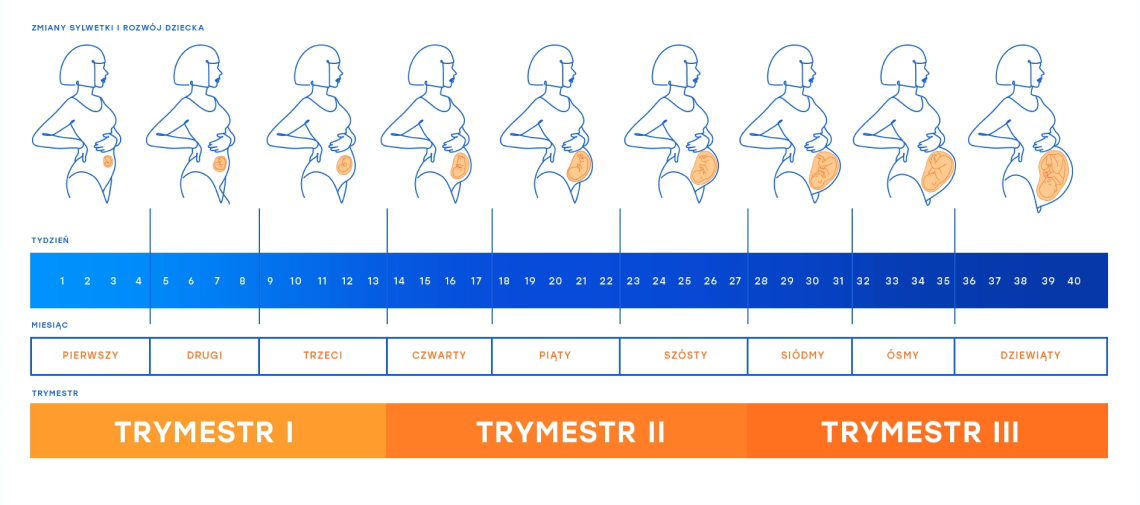
The 36th week of pregnancy – what month of pregnancy is it?
The 36th week of pregnancy is the beginning of the 9th month and also its third trimester. There is not much time left before the birth. If a woman is pregnant with twins, the birth can go much faster, just at 36. One week of pregnancy. A week begins when 35 full weeks have passed since the last occurrence of menstruation, and a full 33 weeks have passed since conception.
36th week of pregnancy – what is the course?
Although 36. The week of pregnancy is the last moments until termination, still strongly noticeable changes in the woman’s body. The uterus is then stretched to the maximum, and the baby, although it does not move as often as in past weeks, but strongly presses on the stomach. Many mothers feel the discomfort associated with this, and despite the fact that they are eagerly awaiting the birth of the baby, to which the last 4 weeks remain, with the discomforts occurring it is worth using some proven ways to reduce the annoyance of pregnancy and relieve even the smallest amount of pressure on the body.
Advice to the mother-to-be is first and foremost to take care of the body and make sure that it is in full working order, as this is extremely important for the proper course of labor, which can begin at any time.
Body at 36. week of pregnancy
The last weeks of pregnancy are when the belly of the mother-to-be changes – for now it is located high, but in the next few weeks it will begin to drop significantly. This is not a cause for concern, as it is merely an expression of the body’s preparation for childbirth. A definite positive in this situation is the feeling of relief – the uterus no longer pushes against the diaphragm, but the baby can press against the cervix, causing a stinging sensation in the perineal area.
In the third trimester, the uterus also reaches a different position, reaching under the rib arches themselves. The baby gets bigger and changes position, so the woman may have trouble walking. This is also due to the secretion of a hormone that causes the joints to relax. Most often, the gait is then shaky and clumsy, so it is advisable to rest more in preparation for welcoming a new life.
The 36th week of pregnancy, due to the increase in the uterus and the baby’s weight, may be the moment when the mother’s body gains weight again. To avoid gaining a significant amount of weight in the last weeks of pregnancy, it is advisable to eat small but frequent meals rich in vitamins and nutrients.
36th week of pregnancy – heartburn
W 36. A week a common bane of the mother-to-be is heartburn. The cause of its appearance is the pressure of the baby on the stomach. It is very bothersome and prevents the mother from eating a hearty meal. To at least minimally alleviate the discomfort, eat little and assume a lying down position. Lying on the left side will prevent the stomach contents from backing up into the esophagus. It is also a good idea to follow a proper diet, which will help you get through the time of waiting for your offspring more easily.
36th week of pregnancy – bleeding in the mouth
The third trimester of pregnancy is also a period of changes in the circulatory system. The vessels become brittle and may crack. Because of this, the mom-to-be may experience discomfort with her gums, which may even bleed. Nevertheless, it is still recommended that they be brushed daily to prevent oral infection. This is because any infection can lead to premature labor. Of course, in 36. week of pregnancy, delivery is possible, but the baby may require assistance with breathing.
36th week of pregnancy – hemorrhoids
Sometimes pregnant women develop hemorrhoids. Their cause is the increased pressure of the toddler on the lower parts of the body. For this ailment, you can use ointments and suppositories, which are safe for pregnant women and have high efficacy.
Hemorrhoids are also not a contraindication to natural childbirth and do not in any way threaten the health of the woman or the baby. However, if the hemorrhoids are in an advanced stage, the doctor may decide to perform a cesarean section.
During the occurrence of hemorrhoids in pregnancy, it is a good idea to ensure adequate hydration and enrich your meals with fiber-rich foods.
36th week of pregnancy – urinary incontinence
The problem of incontinence largely depends on the number of pregnancies, the type of previous deliveries, the woman’s age, and even BMI or chronic constipation Stress urinary incontinence ( SUI ) can occur during heavy exertion, light activities and even when lying down. WNM increases with the progression of pregnancy and is most common just at 36. week of pregnancy, and at the same time can affect women even a year after delivery.
Due to the baby’s strong pressure on the perineum, and thus largely on the bladder, its volume decreases. As a result, the pregnant woman feels a sensation of frequent need to use the bathroom, both during the day and at night. Despite the unpleasant sensation, it is essential to constantly hydrate the body.
36th week of pregnancy – discharge
In the last weeks of pregnancy, increasing amounts of white, thick mucus may appear. It is formed as a result of estrogen and increased blood flow in the vaginal area. Mucus in this form is not a cause for concern – discharge is primarily intended to protect the vagina from microorganisms and infections, and is designed to maintain the bacterial balance in the vagina.
Unfortunately, the secretion of mucus is impossible to stop, so it is best to use sanitary pads, which should be changed frequently, so you can maintain proper hygiene. Under no circumstances should tampons be used for discharge.
If the mucus is accompanied by an unpleasant odor, accompanied by a burning sensation and traces of redness, the pregnant woman should consult the situation with her pregnancy doctor as soon as possible to rule out the possibility of infection. This is extremely important, as an untreated infection can cause premature labor.
Research in 36. week of pregnancy
In the 9th month of pregnancy, visits to the doctor become more frequent. From 36. Week of pregnancy visits are made every two weeks. The gynecologist will check the baby’s heartbeat and perform an ultrasound, where you can see what the long-awaited baby looks like. During the examination, the doctor will assess the baby’s position and check the results of the tests that the mother had performed after the previous visit. At each appointment, the specialist will assess the maturity of the cervix and the possibility of labor occurring.
At virtually every consultation, the doctor recommends that the pregnant woman take a urine test. This is necessary to rule out possible gestational diabetes, which is dangerous for the baby. The mother-to-be is also given a reproductive tract culture, which will indicate a potential bacterial infection. If the result is alarming, it will be necessary to take an antibiotic.
The presence of protein in the urine is also dangerous. This can mean hypertension, which is often an indication for hospitalization, or for inducing labor. However, mom shouldn’t worry too much – the doctor in charge of the pregnancy will certainly give her and her baby proper care.
Development, size and weight of the baby at 36. week of pregnancy
During this week of pregnancy, the baby should weigh more than 2.5 kg and measure about 45-47 cm. If the mother is petite, the baby’s weight may be less. W 36. Week of pregnancy, the baby’s movements can also be painful. This is due to its weight and lack of space in the uterus.
Child Development at 36. The week of pregnancy is also a sharpening of hearing, especially for mom’s voice, so frequent conversations directed to the baby are recommended. During pregnancy in the third trimester, the baby’s organs are already properly developed, as are most systems. The child’s nails are also growing. They can be very long and will have to be cut off in some time, after delivery. Special scissors for brittle nails for newborns can be purchased in stores. The baby is also at the stage of swallowing amniotic fluid. It does this to prepare the stomach for digestion outside the mother’s body.
FAQ
- What the child looks like in 36. Week of pregnancy?
The 36th week of pregnancy is when the baby’s cranial bones harden and the fetal ointment begins to disappear. The child is perfecting his movements with each passing day, although due to the smaller space, they are much less frequent. The toddler reaches about 47 cm and 2600 g in weight, with the baby’s head slowly beginning to head into the birth canal.
- Is a child born before 36. week of pregnancy is a premature baby?
Every baby born in 36. week of pregnancy, regardless of maturity and health status, is considered premature. A term pregnancy is considered to be a carried pregnancy after the 37th week of pregnancy. A child born during this period is considered to be a so-called “baby. late preterm infant.
- What are the ailments in 36. Week of pregnancy?
The 36th week of pregnancy is when the bottom of the uterus reaches the rib arches and puts a lot of pressure on the diaphragm and lungs. As time passes, the abdomen lowers, so the uterus also changes position and makes it easier to breathe.
Pregnancy week by week

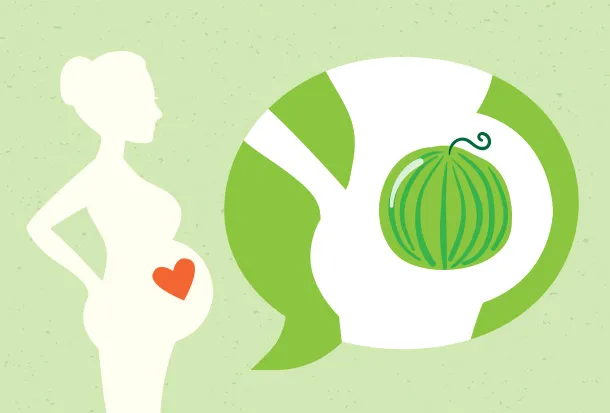
36 weeks of pregnancy – the development of the baby in the third trimester. What ailments bother the mother-to-be?
The 36th week of pregnancy is one of the most difficult moments in the entire pregnancy. The discomforts that vex a woman in the third trimester are sometimes so troublesome that the mother-to-be begins to impatiently count down the days until the solution. Unfortunately, time surrounded by pain drags on mercilessly, so it is worth knowing how you can cope with it.
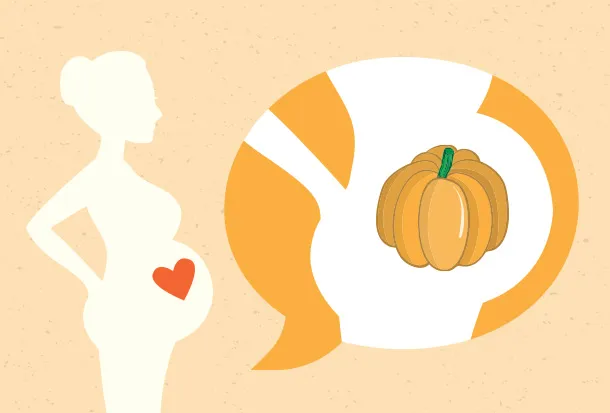
35 weeks of pregnancy – ailments of the mother-to-be. Assessing the risk of preterm labor.
The 35th week of pregnancy is a crucial time for the mother-to-be. The accompanying ailments are getting worse. She is already tired of them and is looking forward to giving birth. If she has a multiple pregnancy, this may be the last chance to prepare before the imminent termination. What the child looks like in 35. Week of pregnancy? What about mom's well-being? How to take care of yourself and what to think about before welcoming a toddler into the world? Check it out!
33 weeks of pregnancy – when there are 6 weeks left until delivery
The 33rd week of pregnancy is very important for the baby. Its respiratory system is gaining efficiency, but not enough to allow the baby to breathe on its own in the event of delivery, so adequate safety and rest are extremely important. The attention of the mother-to-be may also be drawn to new pregnancy complaints. In the following article, we present the highlights of the 33rd running. Week of pregnancy, the most common ailments and the most important information about the development of the baby.

The 19th week of pregnancy – the time when you can know the sex of the baby!
The 19th week of pregnancy is the long-awaited time for parents-to-be to know with 100% certainty the sex of the baby - the fetus shows visible sex characteristics. The baby's movements are usually still very gentle, as it still has a lot of free space in the uterus. What else do these joyous days bring? How is the child developing? And how does the mother feel? Read!

The 20th week of pregnancy – the baby’s development accelerates
The 20th week of pregnancy is the moment when the baby's development clearly accelerates. Internal organs are already formed - now they are learning to perform their function. The baby's body begins to be covered with fetal ointment, its skin becomes thicker, and its movements become stronger and more intense. See how pregnancy progresses during the 20th. One week of pregnancy.

The 18th week of pregnancy – in anticipation of the baby’s first movements
The 18th week of pregnancy is the beginning of the 5th. month, so almost halfway through. During this period, the mother-to-be eagerly awaits the baby's first movements. Of course, it has been performing them for a long time, while the slowly shrinking space in the uterus makes them palpable. Pregnant week 18. is the time when the mother-to-be should take care of her health and introduce special exercises into her life.

What does inducing labor involve? What does this procedure look like in England?
Birth induction in England is carried out when there are medical indications for it. Physical or pharmacological methods are used for this purpose. During artificial induction of labor, the pregnant woman remains under the care of medical personnel at all times.
Pregnancy calculator

Formalities after the birth of a child – what to do, when to do it, what to see to at work?
Formalities after the birth of a child are official matters that must be settled within a few days or so after the birth in order for the toddler to become a full-fledged citizen of the country. Further down the line, think about insurance or applying for financial benefits for the newborn.
The most important official formalities, i.e. registration at the registry office, are most often regulated immediately after the birth by the father of the newborn child. The organization of maternity and parental leave with the employer is also an important issue.
The most important paperwork after childbirth – what to arrange and when?
The formalities associated with the birth of a child are primarily the preparation of a birth certificate, which makes the newborn a full citizen of the country. Registration can be done in two ways. One is a personal visit to the registry office with a set of necessary documents confirming the identity of the Parents and their marriage. In case the Parents are not married, it is advisable to also prepare copies of the birth certificates of both of them. The preparation of a child’s birth certificate in paper form is free of charge. The hospital forwards the birth card to the USC within 3 days. You must register no later than the 21st day from its issuance, which is the date of delivery.
Formalities after the birth of a child can also be completed online using a trusted profile set up on a special website. It will also enable other official matters to be handled in the future. However, when going to the registry office, it is a good idea to apply for a PESEL number for the child. In a situation where a toddler was born outside the country where he will live permanently or to which the Parents plan to return, it is possible to have his foreign birth certificate transcribed and produce documents in the native version. Registration formalities are most often handled by the father of the newborn, as the mother takes care of the baby and recuperates from childbirth.

What other paperwork needs to be done after the baby is born?
Moms with a contract of employment are entitled to maternity leave of 20 weeks for the birth of one child, as well as parental leave, to be possibly shared with the father of the toddler, of 32 weeks. Certain procedures must also be followed in order to receive temporary relief from work. You need to provide the employer with a medical certificate confirming the delivery and a copy of the child’s birth certificate. In order to be able to take full parental leave immediately after maternity leave, you also need to file an appropriate application with your employer. It’s also a good idea to register your child for Social Security with the human resources department of your workplace. If the Parents are farmers, the application should be made to the KRUS, while if both are not working, they should go to the labor office for this purpose. These formalities must be completed within 7 days of receiving the child’s PESEL number. In a situation where Parents have additional insurance, they should also contact their insurance company about it. Health insurance gives a toddler the right to receive health care services funded by the National Health Service.
Optional paperwork after the birth of a child
There is a lot of optional paperwork after childbirth, but it can greatly improve the Parents’ financial situation, as well as their comfort. To begin with, it’s a good idea to register your toddler at a health clinic so that he can have a visit with a pediatrician if necessary. It is best to set up a card for a child within a month of birth. You can also take advantage of a one-time benefit, known as the “one-time benefit”. Becikowe, amounting to PLN 1,000. For this purpose, a corresponding application must be submitted to the city, municipal or other designated point. The family’s per capita income determines the granting of the allowance. Parents have 12 months to complete these formalities. You can also apply for other benefit programs, such as. Family 500+.